
 NL
NL
This stunning yellow gemstone is like a tiny piece of sunshine you can wear. It sparkles with warmth and joy, a precious little sun among gemstones. And isn’t that exactly what we all need when daylight starts to fade in November (for those of us in the Northern Hemisphere)? No wonder Citrine is November’s birthstone!
Wearing Citrine is like carrying your own personal sunbeam. Its cheerful yellow glow can brighten even the darkest days. But there’s more to this radiant gemstone than meets the eye. People have adored Citrine for thousands of years, not just for its color, but for its energy, uplifting, confidence-boosting, and full of life. Some even call it “nature’s antidepressant.” It is said to bring joy, focus, and self-assurance, and to fill you with determination. And fun fact: Citrine is also the traditional gemstone for a 17th wedding anniversary, a wonderful symbol of lasting warmth and happiness.
There are so many reasons to fall in love with Citrine. So let’s dive into its story, from its history and meaning to how to tell the real ones from the fakes, and how this bright little gem became such a timeless favorite.
What’s in a Name?
The name Citrine comes from the old French word citrin, meaning “lemon.” Quite fitting, isn’t it? The gemstone’s sunny yellow color is reminiscent of the fruit. But interestingly, when Citrine first got its name centuries ago, the word didn’t refer to lemons as we know them today. It was actually used for the citron, one of the four original citrus fruits, large, fragrant, and far less common than the modern lemon.
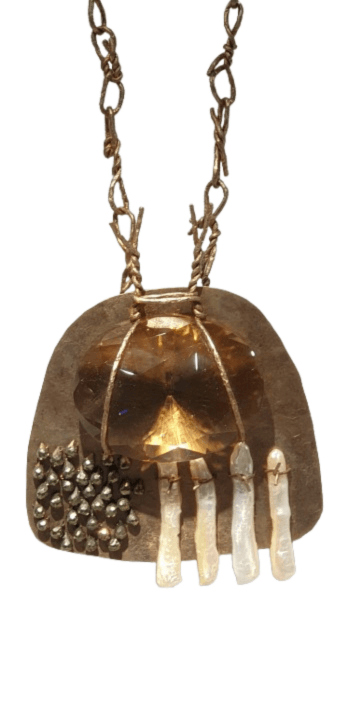
Citrine is a rare variety of quartz, with colors ranging from the palest honey yellow to rich amber. Its hue comes from traces of iron and sometimes aluminum in the crystal. The most prized stones glow with a warm golden radiance, like a drop of sunlight caught inside the quartz.
What Does Citrine Look Like?
Citrine is part of the quartz family, transparent, bright, and luminous. The genuine copy is quite rare in nature. Because of that, it’s often imitated. In fact, around 90% of the Citrine you find on the market isn’t natural at all.
Most of what is sold as Citrine is actually heat-treated amethyst or smoky quartz. When those purple or grey stones are heated above 200°C, their color transforms into shades of yellow, orange, or amber, very convincing imitations. These are often sold under trade names like Bahia Citrine or Madeira Citrine. They’re beautiful, but they’re not true natural Citrine.


A History of Confusion and Beauty
Although this gem has been cherished since ancient times, for centuries, people weren’t quite sure what it was. The word citrine appeared in English around 1385, but back then, it referred to any yellow gemstone. For a long time, Citrine was confused with golden topaz. Both stones shared similar hues and were even used interchangeably in jewelry.
To make matters even more confusing, both topaz and citrine were declared the birthstones of November, a recipe for endless mix-ups!
In the 18th century, mineralogists discovered that heating amethyst or smoky quartz could create a color nearly identical to natural Citrine. Because these quartz varieties were cheaper and more common, artificially produced gems quickly flooded the market.
Once experts could finally distinguish Citrine from topaz, the gemstone began to gain popularity in its own right. However, the abundance of imitations led to skepticism; people weren’t sure if they were buying genuine Citrine or not, which caused the stone’s value to fluctuate over time.
Today, the beautiful yellow gemstone is making a comeback. People love its bold, golden color, whether natural or heat-treated. Many wear it simply for its beauty and energy, without worrying too much about its origins. After all, there are very few gemstones that capture sunlight quite like Citrine does.
A Gemstone with Many Roles
Long before people knew what gemstones really were, they were already fascinated by Citrine’s glowing appearance. Thousands of years ago, this yellow quartz was used to decorate tools, weapons, and jewelry. Archaeologists have discovered Citrine in Hellenistic Greek tombs, in ancient Egyptian artifacts, and even in 17th-century Scottish dagger handles. In Scotland, it was believed that wearing or carrying Citrine could protect one from poison, a superstition that speaks volumes about how magical this stone was considered to be.

citrine gemstone necklace (1 available)
This unique and exclusive citrine gemstone necklace is made of yellow citrine beads, free-shape, round and rondelles faceted citrine beads, and gold-plated spacers. It is finished with a magnetic clasp. A comfortable fit to wear this necklace all day long. Easy to close and open with a ‘break’ or ‘ shift’ movement.
A Gem for the Greeks, the Romans, and the Stars of Hollywood
Citrine’s popularity stretches back to around 300 BC, especially among the ancient Greeks, who believed it could calm tempers, suppress anger, and bring prosperity or fulfill wishes.
In Egypt, the yellow gem was worn in amulets and pendants for protection. The Greeks often carved mythological scenes into the gemstone, while the Romans, particularly priests, set it into rings.
In ancient Rome, this gem symbolized the power of the sun. Romans believed it could absorb sunlight and hold it within. Soldiers carried it to ward off disaster and keep courage in battle. Even centuries later, in Scotland, warriors decorated their weapons with Citrine for protection, a tradition that lasted well into the 17th century.
Fast forward to the 19th century, and Citrine once again took center stage. During the Art Deco era (1918–1940), the stone became a Hollywood favorite. Screen legends like Greta Garbo and Joan Crawford wore glamorous citrine jewelry that glowed under studio lights, turning the gemstone into a symbol of sophistication and strength.
Queen Victoria’s Favorite Sunshine
Perhaps the biggest fan of all was Queen Victoria of England. She adored gemstones, especially those found within her own realm, but this gem had a special place in her heart. Its golden warmth reminded her of sunlight and of her beloved Scotland, where this gemstone can be found in the Cairngorm Mountains.
When Balmoral Castle was completed in 1852, Queen Victoria declared that guests should wear full Highland attire, complete with kilt pins and plaid brooches decorated with Citrine. The gemstone became a proud symbol of Scottish heritage and royal elegance.
The Healing Powers of this yellow gemstone
Citrine isn’t just beautiful, it’s believed to have countless positive effects on both body and mind. Whether you believe in crystal healing or simply love the symbolism, the meanings attached to Citrine are irresistible. Here are just a few of its reputed powers:
- Clarity and focus: this gemstone is said to sharpen concentration and clear mental fog, perfect for creative souls or anyone juggling multiple tasks.
- Physical balance: It’s believed to help cleanse and rejuvenate the body, repairing what feels “off” and restoring vitality.
- Wealth and success: Known as the Merchant’s Stone, this gem is said to attract prosperity, abundance, and success and to inspire generosity in sharing those blessings.
- Confidence and creativity: It enhances self-esteem and encourage optimism. Many artists and entrepreneurs wear it for a boost of inspiration and motivation.
- Emotional calm: Thought to soothe fears, phobias, and depression, it helps you find peace and mental clarity.
- Physical healing: It’s traditionally linked to the liver, kidneys, nerves, and bones, even said to help regulate diabetes.
- Relaxation: Wearing this yellow gemstone can make you feel lighter and more balanced, helping you see things in perspective again, especially if you’ve been through burnout or stress.
Whether you take these qualities literally or symbolically, Citrine’s cheerful energy is undeniably uplifting.

Fun Facts
- Since 1912, the yellow beauty has been the official birthstone for November, as recognized by the American National Association of Jewelers.
- It’s also the planetary stone for Virgo, and a popular gift for 13th or 17th wedding anniversaries.
- Almost all commercial Citrine is heat-treated quartz, but the natural ones tends to be much paler, soft yellow or light honey tones, compared to the deep oranges and reddish hues of treated stones.
- The natural variety is found in Russia’s Ural Mountains, France, Madagascar, and in smaller quantities elsewhere. Brazil produces large amounts, though most of it is heat-treated amethyst.
So if you prefer authenticity, look for the subtle, gentle yellow of natural Citrine rather than the bright, orange-red tones of treated ones.
Caring for Your Beauty
On the Mohs scale of hardness, Citrine scores a 7, which means it’s fairly durable, but still deserves a little care. It can withstand everyday wear but might scratch if stored with harder gems.
This gemstone doesn’t like too much sunlight; prolonged exposure can fade its color. So, try not to leave it baking on a windowsill or wear it while sunbathing.
Cleaning this gem is simple: use mild soap and warm water, and gently dry it with a soft cloth. Avoid harsh chemicals or ultrasonic cleaners; your gemstone will thank you for the gentle touch.
A Gemstone that Keeps on Shining
If you’re a November baby, consider yourself lucky; you have the sunniest birthstone of them all! But even if your birthday falls in another month, this yellow beauty’s radiant charm is hard to resist. It’s a gemstone that seems to hold a bit of happiness inside it , perfect for anyone who needs a little boost of joy and confidence.
I still remember buying my first Citrine ring when I was about fifteen, spending my very first earned money on it. I didn’t know much about gemstones back then, but something about that warm yellow sparkle spoke to me; it felt alive. And it still does.
If you’re curious about birthstones and the meanings behind them, I’ve written a free e-book all about them. It’s the perfect companion for anyone who loves jewelry with stories, and a lovely little gift to pair with a gemstone present. Just let me know where to send it, and I’ll make sure it finds its way to you.

"*" indicates required fields
Final Thoughts
Citrine is more than just a pretty gemstone. It’s a symbol of light, warmth, and resilience, a reminder that even in the darkest months, a bit of sunshine is always within reach. Whether you wear it for its beauty, its energy, or simply for the way it makes you smile, Citrine will always shine bright.
So next time you see that golden glow, think of the sun, the stories, and the centuries of love this gemstone has inspired. And maybe, just maybe, let a little Citrine sunshine into your life too.
Florence from FlorenceJewelshop