
 NL
NL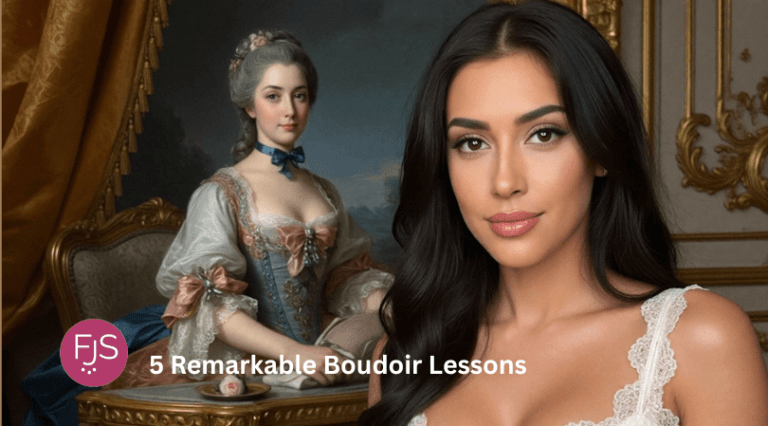
Being a mistress is an honourable ‘job’. In the 18th century, this phrase reflected more than romance. It captured a cultural truth: influence, elegance, and visibility were closely linked. Women who shaped taste and style, from royal mistresses to high-society ladies, all shared one defining space: the boudoir. Today, modern influencers occupy similar roles. While the setting has evolved, the art of self-presentation remains timeless.
This article explores the parallels between 18th-century society women, the iconic boudoir of Madame de Pompadour, and modern influencers’ creative spaces. It also highlights how jewelry continues to play a central role in expressing identity, elegance, and influence.
The Boudoir as a Sanctuary of Identity
The term boudoir, derived from the French bouder, meaning to sulk, evokes intimacy. In 18th-century Europe, the boudoir was a personal sanctuary where women could retreat, reflect, and cultivate their image. For society women, it served as both a private comfort and a stage for influence. Silk cushions, ornate mirrors, fragrant oils, and carefully chosen jewelry all contributed to a woman’s presentation.
Mistresses, duchesses, salon hostesses, and muses all used their boudoirs to shape public perception. Within these intimate spaces, they rehearsed gestures, composed correspondence, selected jewelry, and planned social strategies. The boudoir allowed women autonomy, providing a controlled environment where elegance and influence intersected.
Society Women and Their Private Chambers
Boudoirs were not reserved solely for mistresses. Many influential women in 18th-century Europe maintained lavish personal sanctuaries to host salons, entertain intellectuals, or receive society peers. These private chambers were curated to display taste, culture, and refinement.
Every detail mattered. Fabric choices, furniture arrangement, and jewelry displays signalled sophistication, cultural knowledge, and social status. In this sense, the boudoir anticipated the modern influencer studio: a space where image and presence were meticulously managed.
From Portraits to Social Media Profiles
In the 18th century, a woman’s reputation was often shaped by portraiture. Commissioned paintings captured elegance, poise, and style. Every detail, from the drape of a gown to the shimmer of a necklace, was intentional. These portraits circulated among elites, influencing trends and cultural standards.
Modern influencers use photography, video, and social media posts to achieve similar effects. The medium has changed, but the principle remains: image communicates. Both the boudoir woman and the contemporary creator understand the power of controlled presentation and storytelling.
The Boudoir as a Creative Studio
The boudoir functioned as a space where aesthetic strategy took shape. Women planned outfits, selected jewelry, and considered subtleties of appearance. Jewelry played a critical role. Pearls symbolised elegance, emeralds suggested wisdom, and rubies conveyed passion. Selecting and wearing jewelry was a deliberate form of non-verbal communication.
Today, influencers continue this tradition. Jewelry remains central to visual storytelling. A necklace in a morning photograph or a statement piece in a video communicates personality, taste, and style. In this way, the boudoir links centuries of women who used adornment to craft their public image.
The Ritual of Transformation
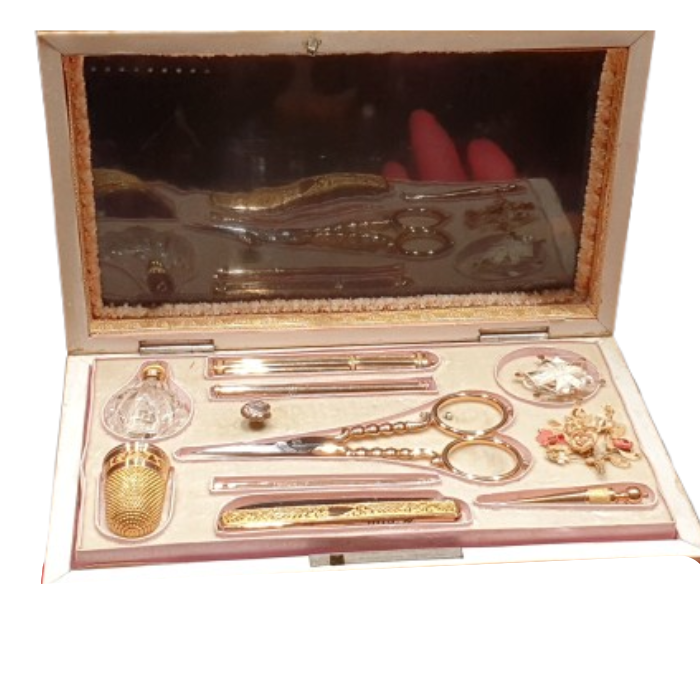
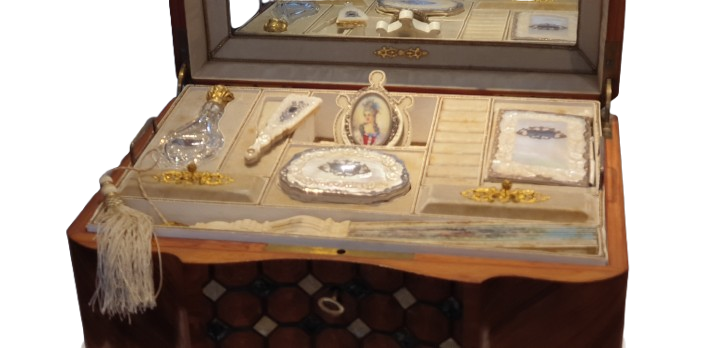
The morning toilette in the 18th century was more than dressing. Hair was coiffed, jewelry chosen, garments arranged, and fragrance applied. These rituals prepared women for the world, transforming private preparation into a performance of elegance.
Influencers replicate this digitally. Morning routines, “Get Ready With Me” videos, and staged photography act as modern boudoir rituals. These moments are about confidence and self-presentation. Preparation, whether in a historical intimate space or a modern studio, is a critical step in shaping influence.
Jewelry as Language
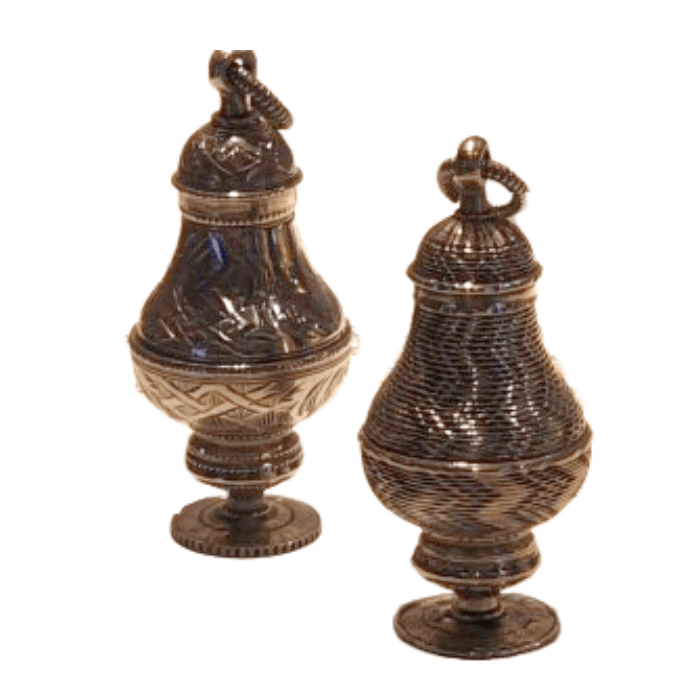
Jewelry has always carried meaning. In the 18th century, it signalled taste, wealth, and personality. Necklaces, earrings, and bracelets communicated elegance, sophistication, and power. Society women and mistresses understood the impact of choosing the right piece.
Modern creators use jewelry to complement appearance, set a mood, and express individuality. Adornment continues to communicate identity across centuries, linking historical boudoirs with contemporary content spaces.
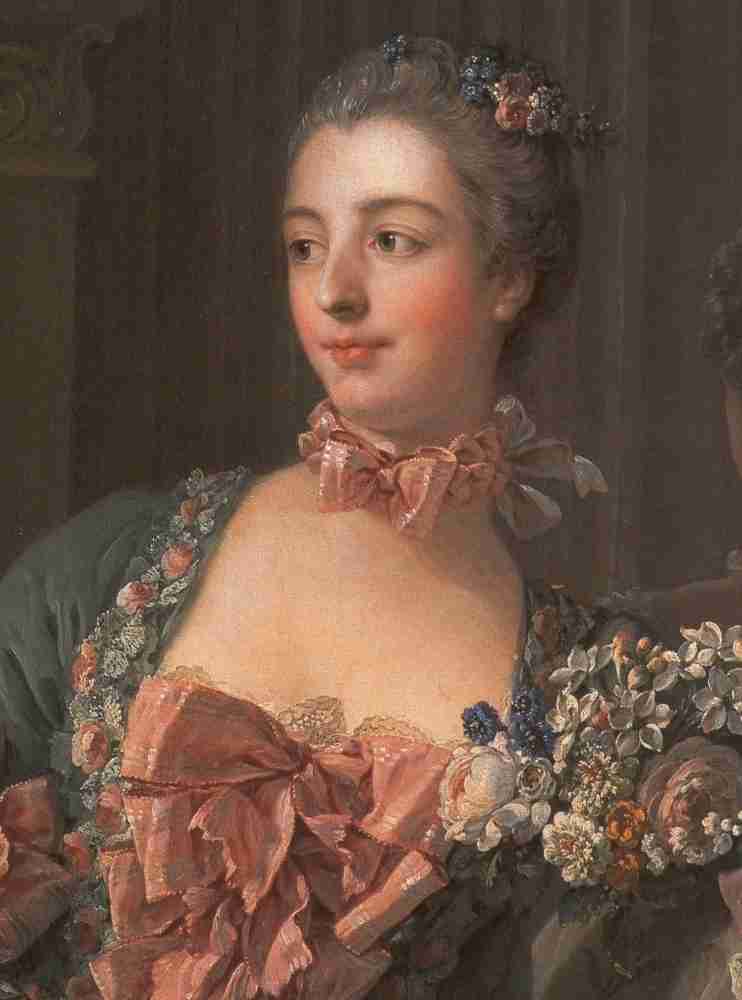
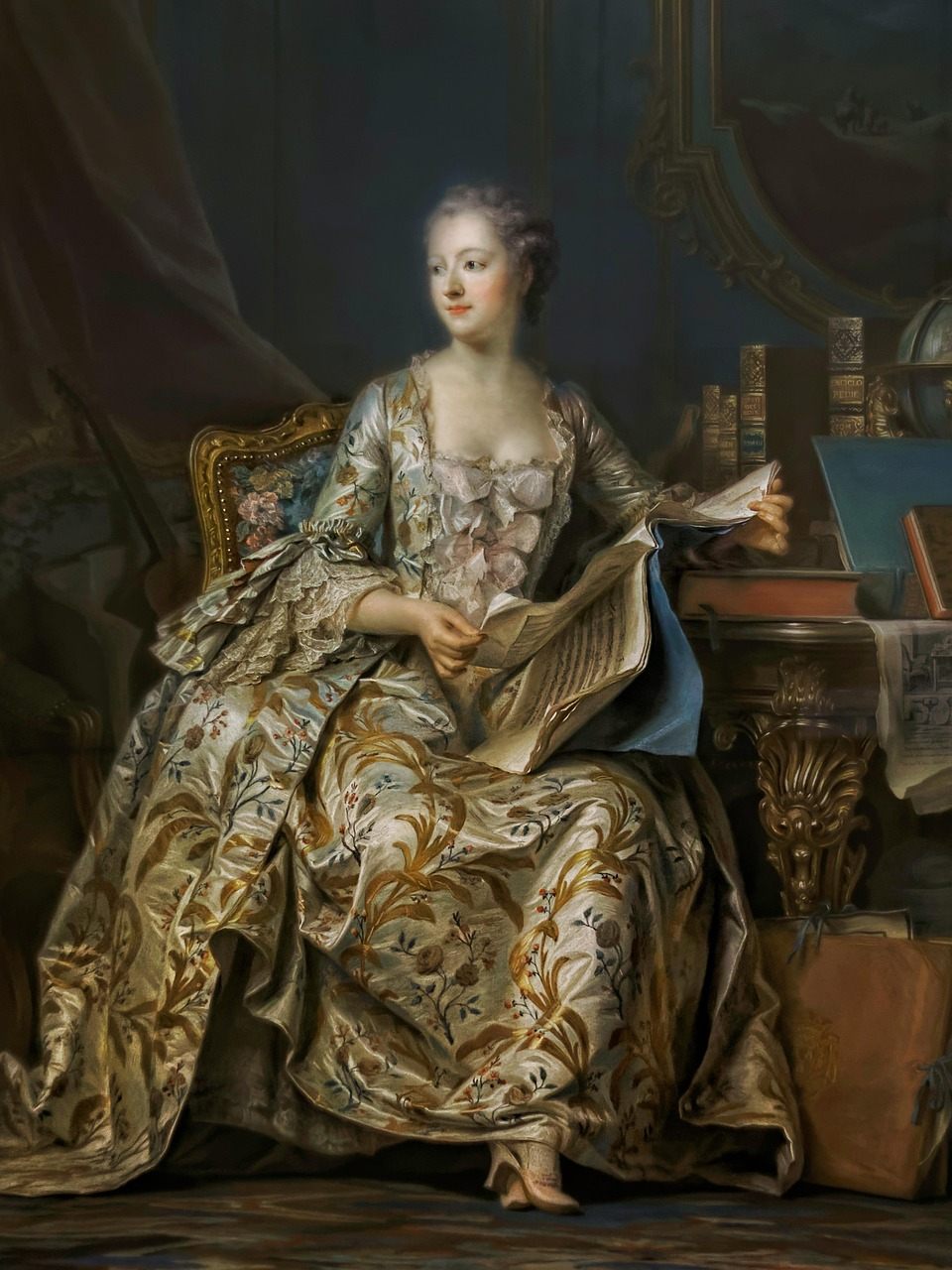
Spotlight on Madame de Pompadour
Madame de Pompadour, born Jeanne-Antoinette Poisson, rose from bourgeois origins to become Marquise de Pompadour and a powerful figure at the court of Louis XV. Known for her intellect, taste, and patronage of the arts, her life demonstrates how a boudoir functioned as a space of influence, strategy, and style.
The Layout of Her Boudoir
Madame de Pompadour’s Versailles apartment included a bedchamber, a grand cabinet, and her boudoir. This sequence of rooms allowed for private retreats, meetings with the king, and controlled interaction with visitors. The boudoir itself was a space for reflection and curated display.
The décor communicated taste and intellect. Silks, imported fabrics, Asian porcelain, and refined furnishings created an environment of cultivated sophistication. This deliberate curation mirrors modern influencers designing their studio backdrops for photos or videos.
Jewelry and Portraits
Madame de Pompadour was a major patron of François Boucher and other artists. Portraits of her often feature exquisite jewelry, deliberate poses, and thematic backgrounds. Jewelry in these portraits was more than decoration; it signified power, style, and influence. The combination of boudoir, jewelry, and portraiture projected authority and cultural leadership.
Influence and the Boudoir
Her boudoir allowed Madame de Pompadour to host guests, shape cultural and artistic taste, and maintain influence over court politics. Her space was both private and strategic, a hub from which she managed relationships and reputation. This dual function is echoed in modern influencer studios, where private creation meets public presentation.
Parallels to Modern Influencers
The similarities between 18th-century boudoir women and today’s creators are striking:
- Curated space: Both meticulously design their surroundings.
- Visual identity: Jewelry, clothing, décor, and props communicate personality.
- Audience management: Both select interactions to shape perception.
- Self-presentation: Daily rituals, whether toilette or content preparation, reinforce confidence.
- Storytelling through adornment: Jewelry communicates messages without words.
Influence begins at home, in the space where image, style, and narrative are first composed.
The Psychology of Personal Spaces
A boudoir or private chamber represents preparation, self-reflection, and identity. In the 18th century, women used these intimate spaces to control how they were seen. Modern influencers do the same digitally, constructing personal sanctuaries that shape image and influence.
Jewelry, décor, and attention to detail act as extensions of personality. Historically or today, these rituals foster confidence, creativity, and self-expression.
Bringing the Boudoir Spirit into Daily Life
Even without a Versailles apartment, anyone can create a personal preparation space:
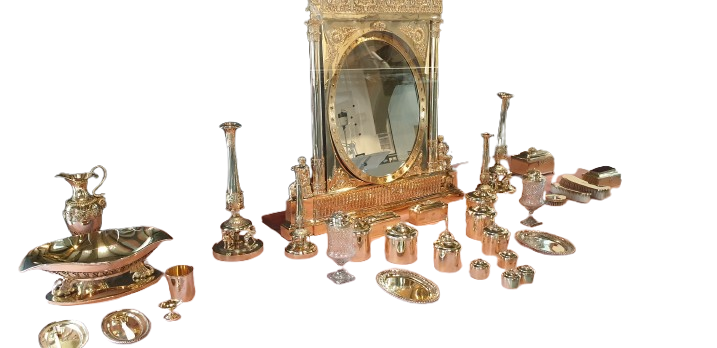
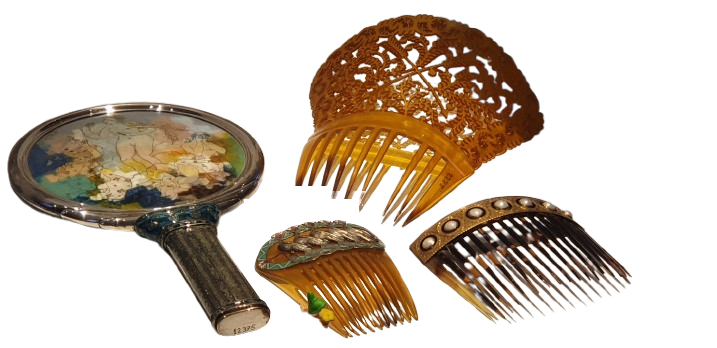
- Design a personal area: Include a mirror, a light, and a jewelry tray.
- Select adornment intentionally: Jewelry that complements your features and expresses personality.
- Establish ritual: Take time to prepare for photos, meetings, or personal confidence.
- Curate your backdrop: Objects, lighting, and colour influence perception and mood.
- Tell your story: Each element contributes to the narrative you wish to project.
These practices connect past elegance with contemporary influence on culture.
FlorenceJewelshop and Your Modern Boudoir
At FlorenceJewelshop, jewelry is essential to the modern boudoir experience, helping you express identity, taste, and confidence. Whether wearing a necklace, earrings, or a bracelet, each piece contributes to your personal narrative.
Thinking of jewelry as part of your private chamber ritual connects you with centuries of women who used adornment to project elegance. The right piece can enhance natural features, elevate confidence, and enrich presence.
Discover Your Personal Boudoir Style
FlorenceJewelshop offers a free illustrated PDF guide to help identify your ideal jewelry style, connect adornment to your features, and bring the boudoir spirit into your life. The guide demonstrates how historical elegance and modern influence intersect, allowing authentic self-expression.
From powdered wigs to ring lights, from Versailles boudoirs to online studios, influence principles remain: private preparation, thoughtful adornment, and deliberate storytelling. A boudoir is more than a room; it is a mindset. Embracing this spirit, whether through jewelry, style, or environment, connects you to a centuries-old tradition of elegance, confidence, and influence.

"*" indicates required fields
Florence of FlorenceJewelshop