
 NL
NL
As both a historian and a jewelry designer, one might expect me to harbor an unrelenting desire to search for gold in places like El Dorado and create exquisite jewelry from it.
However, El Dorado is a myth; the land does not exist, and its fabled gold cannot be found. So, when I learned of an exhibition in Assen, the Netherlands, dedicated to the gold of Dacia, I was pleasantly surprised.
Unlike El Dorado, Dacia was real, and in ancient times, its gold was abundant. Today, breathtaking pieces of jewelry made from Dacian gold are on display in museums, but in the past, this wealth was readily available throughout the region.
The allure of Dacia’s gold was undeniable, as evidenced by an incident just two days after I visited the museum in Assen. Thieves stole a pure gold helmet and three gold bracelets, and they have yet to be recovered. While the authorities may have identified the perpetrators, the gold itself remains lost.
Gold, that lustrous and captivating metal, has always held a magnetic attraction for people. In the case of Dacia’s gold, it caught the attention of the Roman emperor, but more on that later in this post.
Now, let’s return to the myth of El Dorado. In the 16th century, the Spanish set their sights on the supposed gold of this legendary land. A tale began circulating at the time about an Indian chief, covered in gold, who was crowned as king in a lake. The chronicler Juan Rodriguez Freyle recorded the following in 1636:
“Then they undressed the heir and smeared him with sticky earth, sprinkling him with gold powder until he was entirely covered in this metal. The gilded Indian made his sacrifice by throwing all the gold he had at his feet into the middle of the lagoon…”
This story spread like wildfire. The Indian chieftain, dubbed El Dorado (the gilded king), transformed into a lake, then a city, and eventually became the object of countless fortune-seekers’ quests for a South American land filled with unimaginable riches.
The lake in question was even drained at one point, but no treasure trove of gold or precious stones was found. El Dorado, it turned out, was nothing more than a myth—an alluring tale where neither the place nor the gold ever existed.
In contrast, the gold of Dacia has a rich and fascinating history. It’s a tangible wealth that’s been woven into the region’s legacy since at least the Bronze Age.

The Secret of Dacia
The Empire of the Dacians once thrived in what is now modern-day Romania, a region strategically located at the crossroads of multiple cultures. Its location was so advantageous that neighboring peoples, such as the Scythians, Celts, Greeks, Thracians, and Persians, passed through with their trade goods, leaving their mark on the local culture.
Over time, these diverse influences merged, giving rise to the powerful Dacian kingdom.
The source of the wealth that made Dacia famous is undoubtedly its gold. Formed between 550 and 300 million years ago through tectonic activity, the gold deposits were created when heavier tectonic plates slid beneath lighter ones, triggering volcanic activity that formed gold-rich veins close to the earth’s surface.
Most of Dacia’s gold was found in the southern and western parts of the Romanian Carpathians, often mixed with silver and copper. Rivers ran through these gold deposits, carrying gold in the form of lumps or larger grains embedded in quartz to lower areas. In places where the current was weaker, the gold could simply be fished out of the riverbeds.
Given the vast quantities of gold in the region, gold extraction was highly lucrative and appeared to be an endless source of wealth.
After the Middle Ages, the inhabitants of Dacia (modern-day Romania) developed techniques for extracting gold from deeper deposits through mining.
Experts have calculated the staggering amount of gold mined from the region over the centuries, and the results are truly remarkable:
- Between 1866 and 1990, Romania (formerly Dacia) extracted between 1866 and 1990 tons of gold.
- Approximately 250 tons of gold were recovered by simply “fishing out” the gold from rivers.
- Some of the gold nuggets found were truly remarkable in size. In 1536, a farmer discovered a 5.6-kilogram gold nugget, and at the end of the 15th century, another nugget weighing 350 grams was uncovered.
Dacia’s Gold in the Copper Age
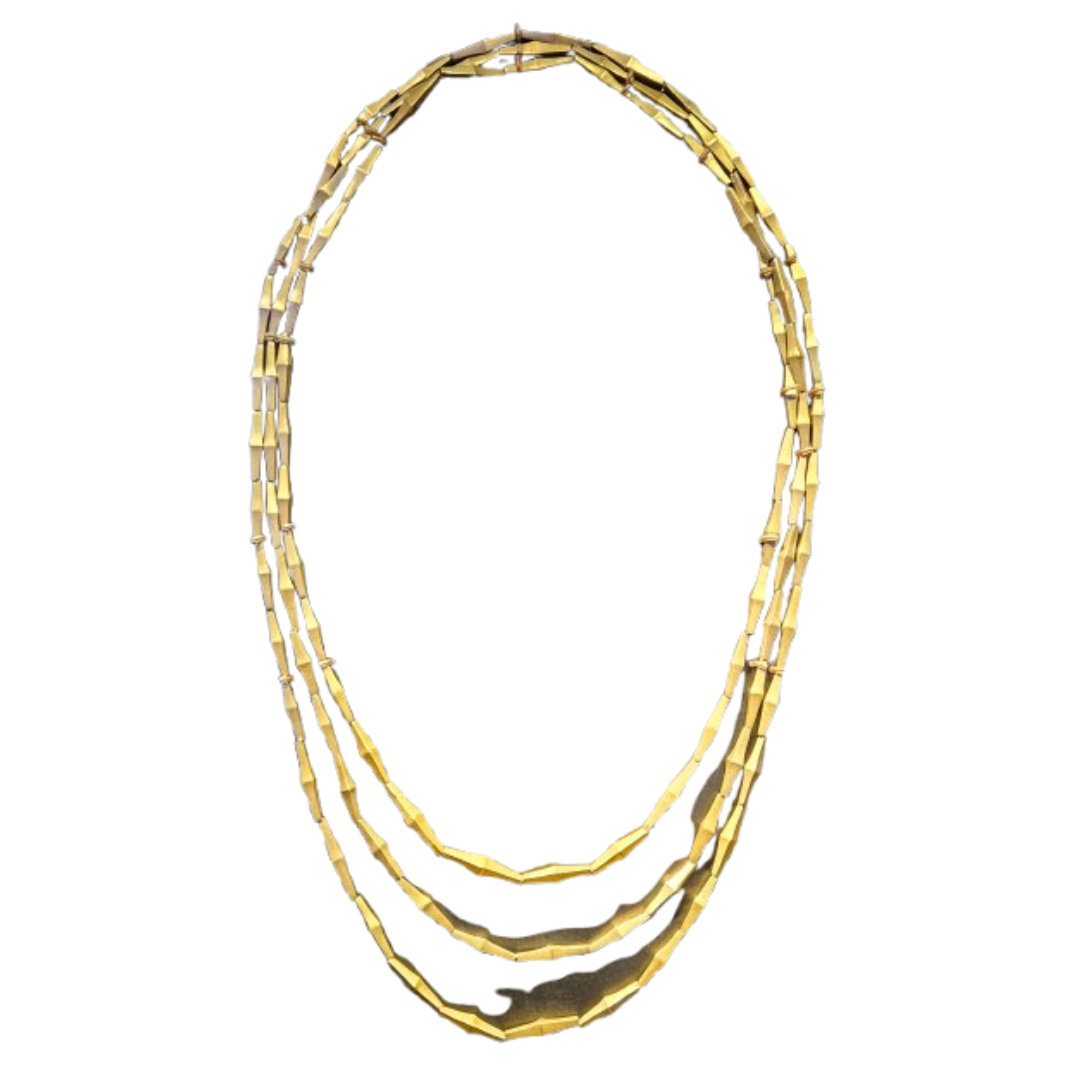
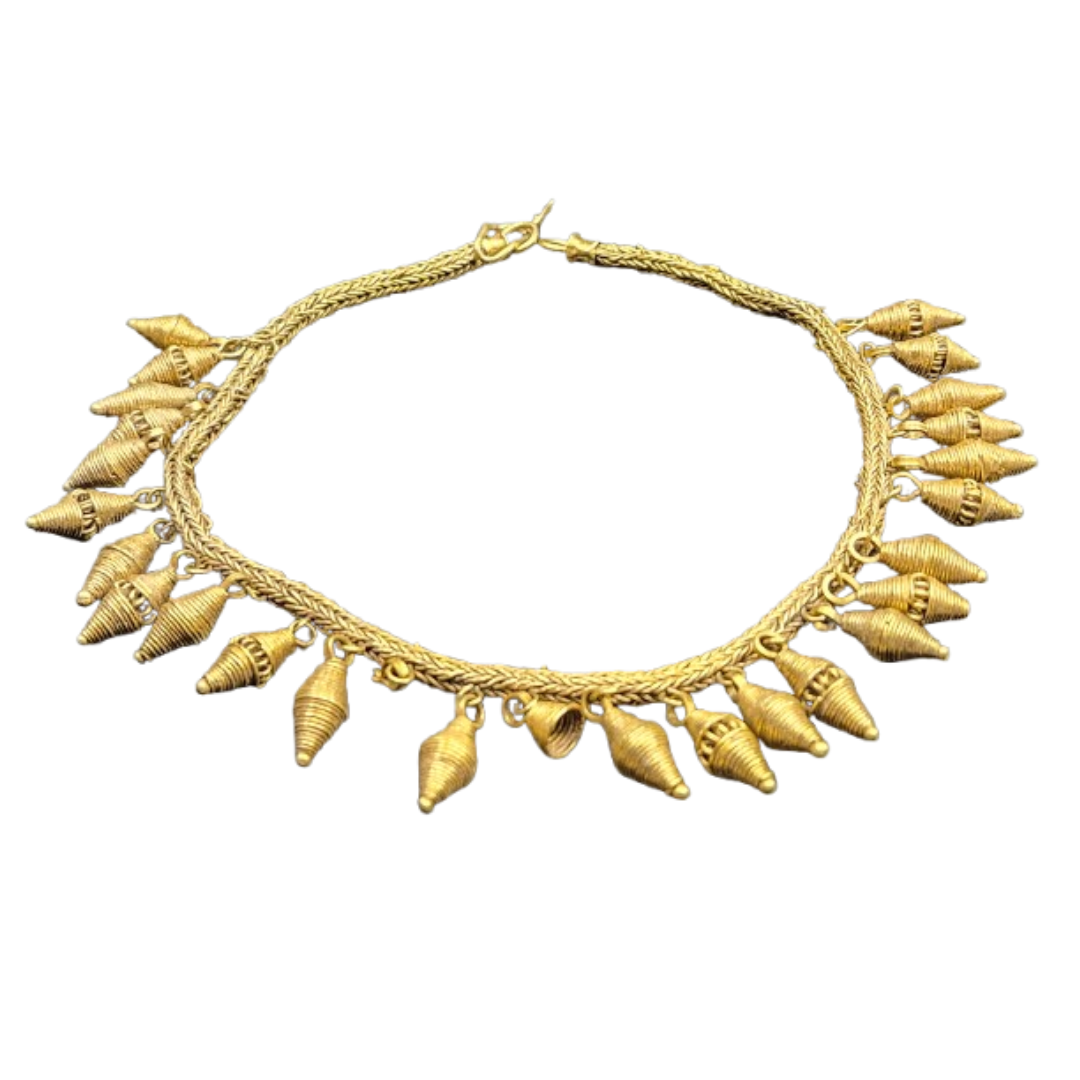
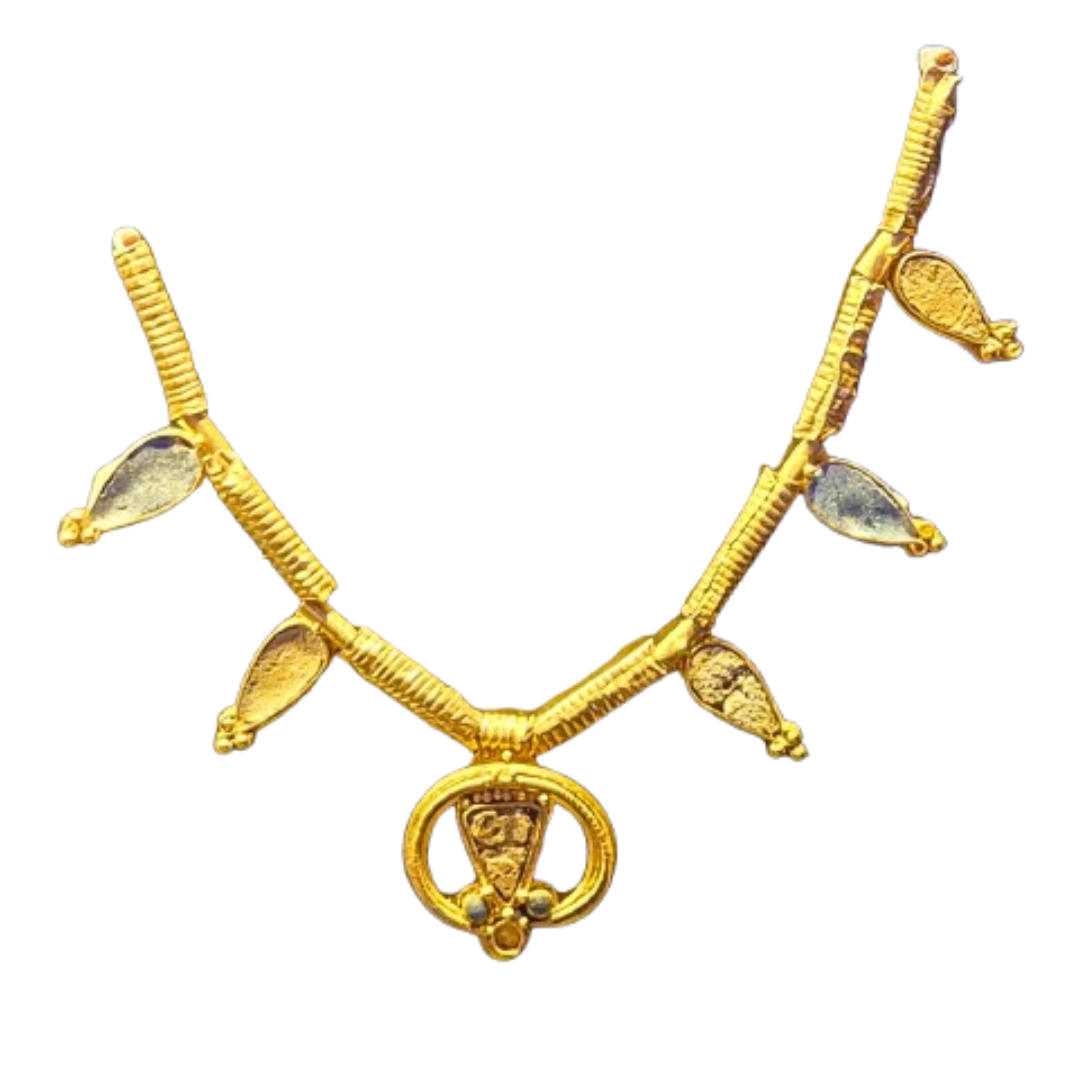
The fascination with Dacia’s gold dates back to the Copper Age (4500–3500 BC). During this time, gold objects and jewelry were symbols of social status, power, and wealth.
As people learned to work with copper and other metals, they not only crafted practical tools such as axes and daggers but also created jewelry like hair spirals, pendants, and bracelets, marking the beginning of the region’s enduring connection to gold.
Dacia’s Gold in the Bronze Age
During the Early Bronze Age (3500–2100 BC), archaeologists primarily uncovered silver artifacts and jewelry, such as hair rings, with very few gold objects found.
However, around 2100 BC, as the Middle Bronze Age began, this trend shifted. New trade networks were established, facilitating the exchange of copper and bronze. Through interactions with people from the Balkans, Central Europe, and Serbia, Dacia adopted new burial customs, witnessed increased social stratification, and learned advanced metalworking techniques, including those for bronze.
Bronze, when polished, has a golden sheen, and it remains unclear whether the allure of gold was due to the metal’s distinctive color or its actual material value.
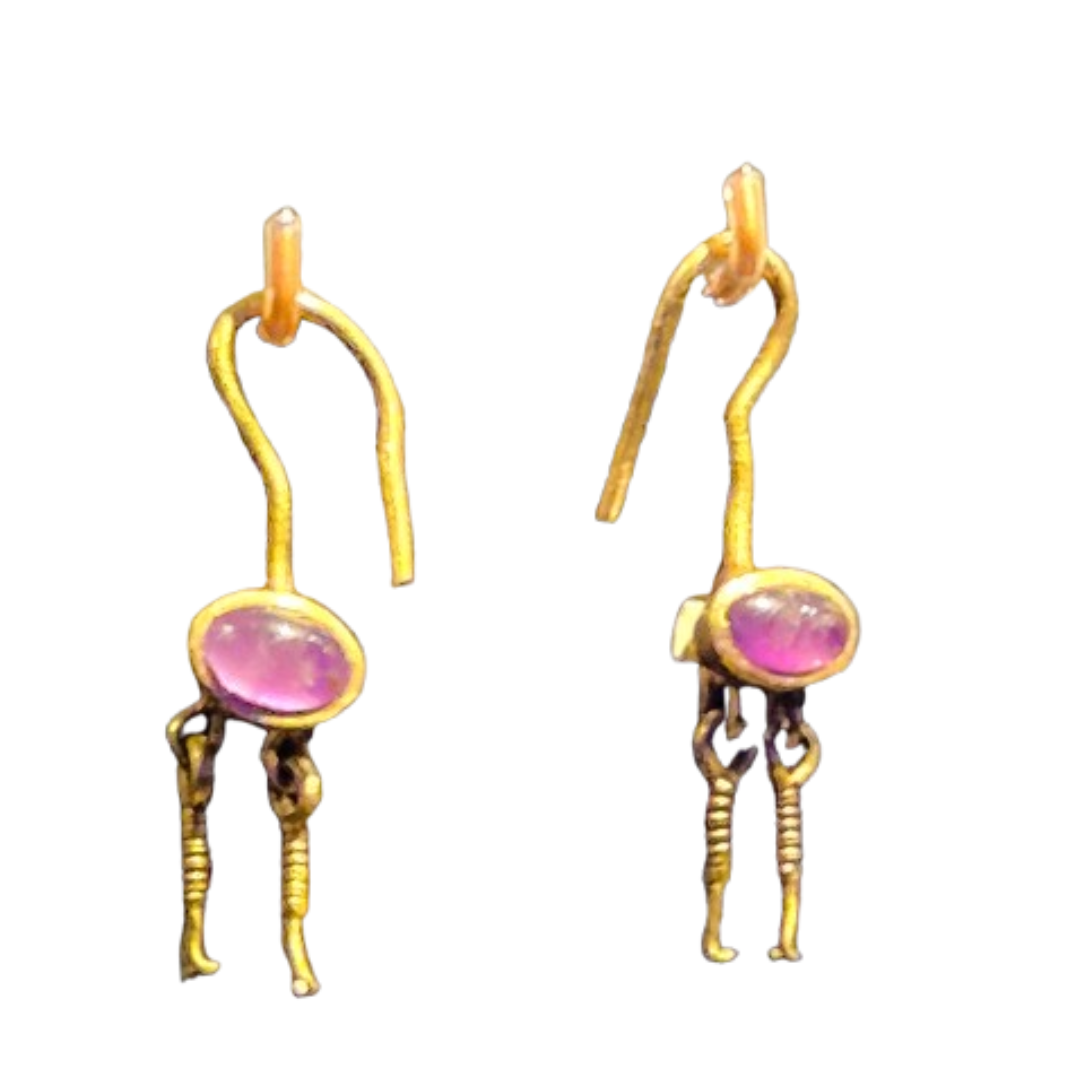
Regardless, between 2000 and 1500 BC, the production of gold objects and jewelry grew significantly. What is particularly striking is that much of this gold jewelry was found in graves, placed there as a symbol of the deceased’s social status in life.
Another portion of this gold was discovered in hidden storage places, outside of residential areas, where it had been amassed, possibly as a collection of gold ornaments or even as Dacia’s gold hoards.
The purpose of these hidden treasures remains a mystery. Were they offerings to the gods, tributes, or perhaps stored for safekeeping in times of insecurity? It’s also possible that these sites were workshops where goldsmiths kept their stock. While the precise intent is unclear, one thing is certain: these hidden locations contained genuine gold treasures.
Gold Jewelry from the Middle Bronze Age
Hair Rings
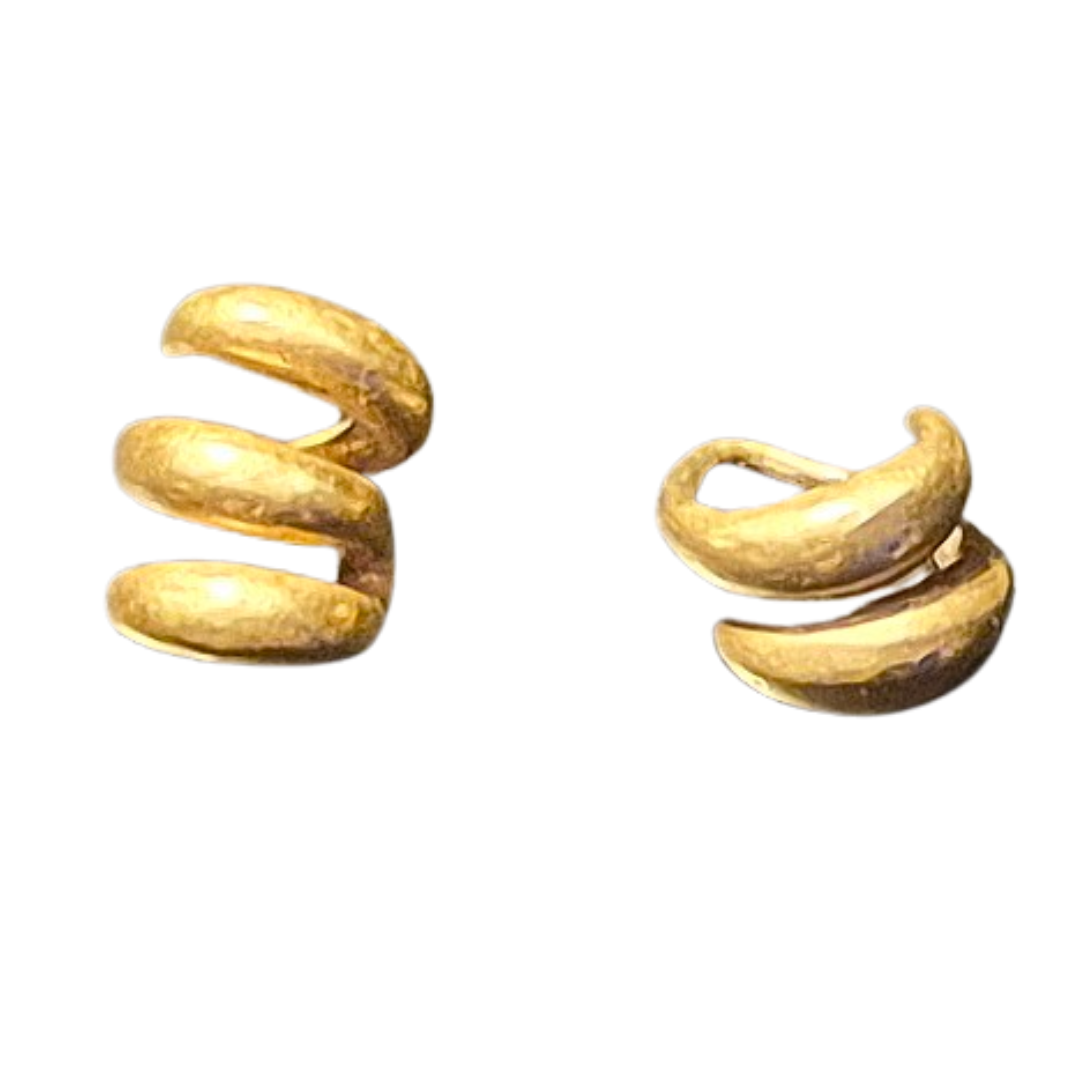
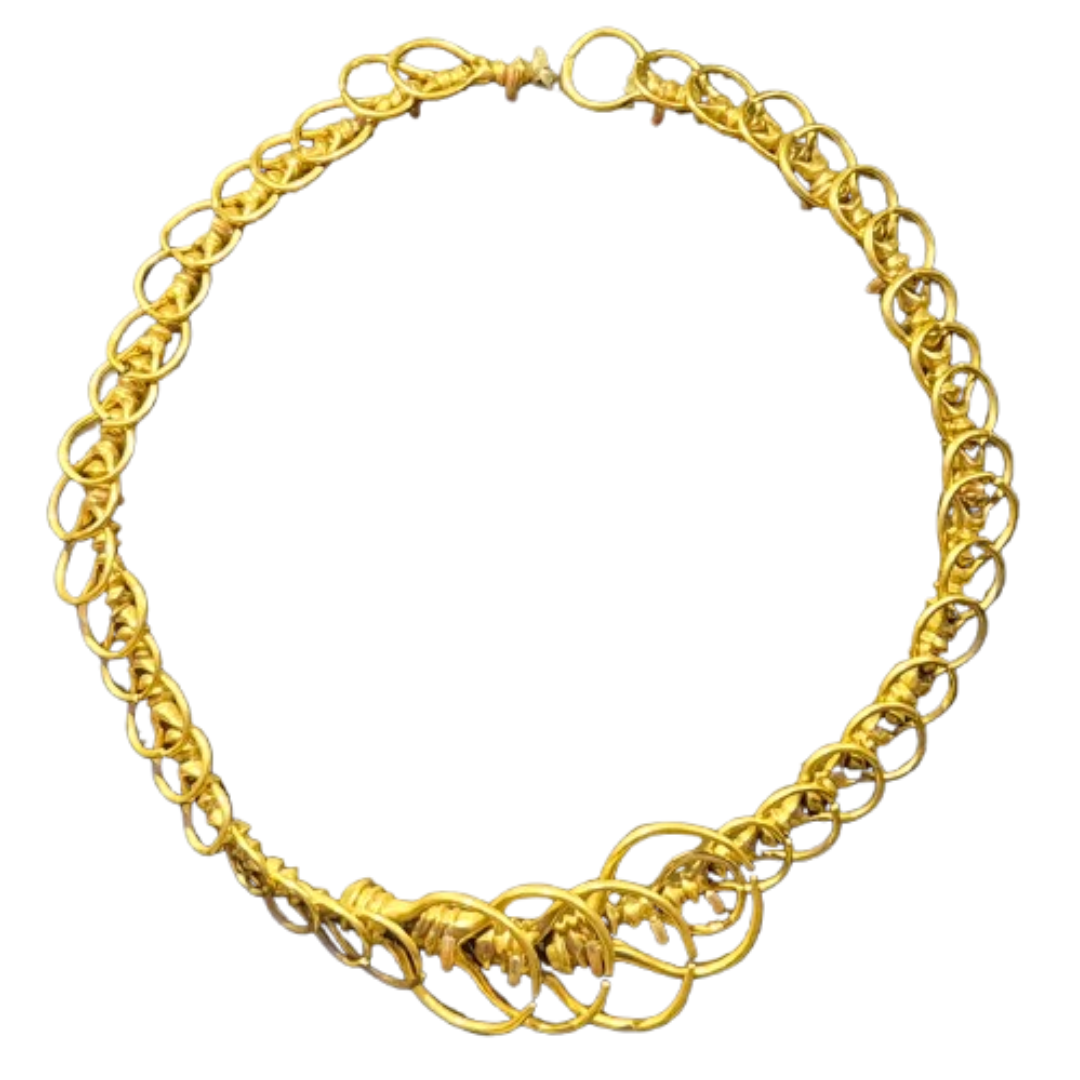
Initially crafted from bronze, hair rings from the Bronze Age later evolved to be primarily made of gold.
These rings typically featured a spiral design and were likely used as head ornaments to enhance a hairstyle. The rings could be twisted directly into the hair or incorporated into a larger headdress.
Some of these rings were also found attached to chains, allowing them to be worn as part of a diadem, making them a versatile and multifunctional piece of jewelry.
Over time, the craftsmanship of these hair rings became more intricate. They were refined and decorated, and their shape subtly evolved, reflecting the growing sophistication of jewelry-making during the Bronze Age.
Gold Rings
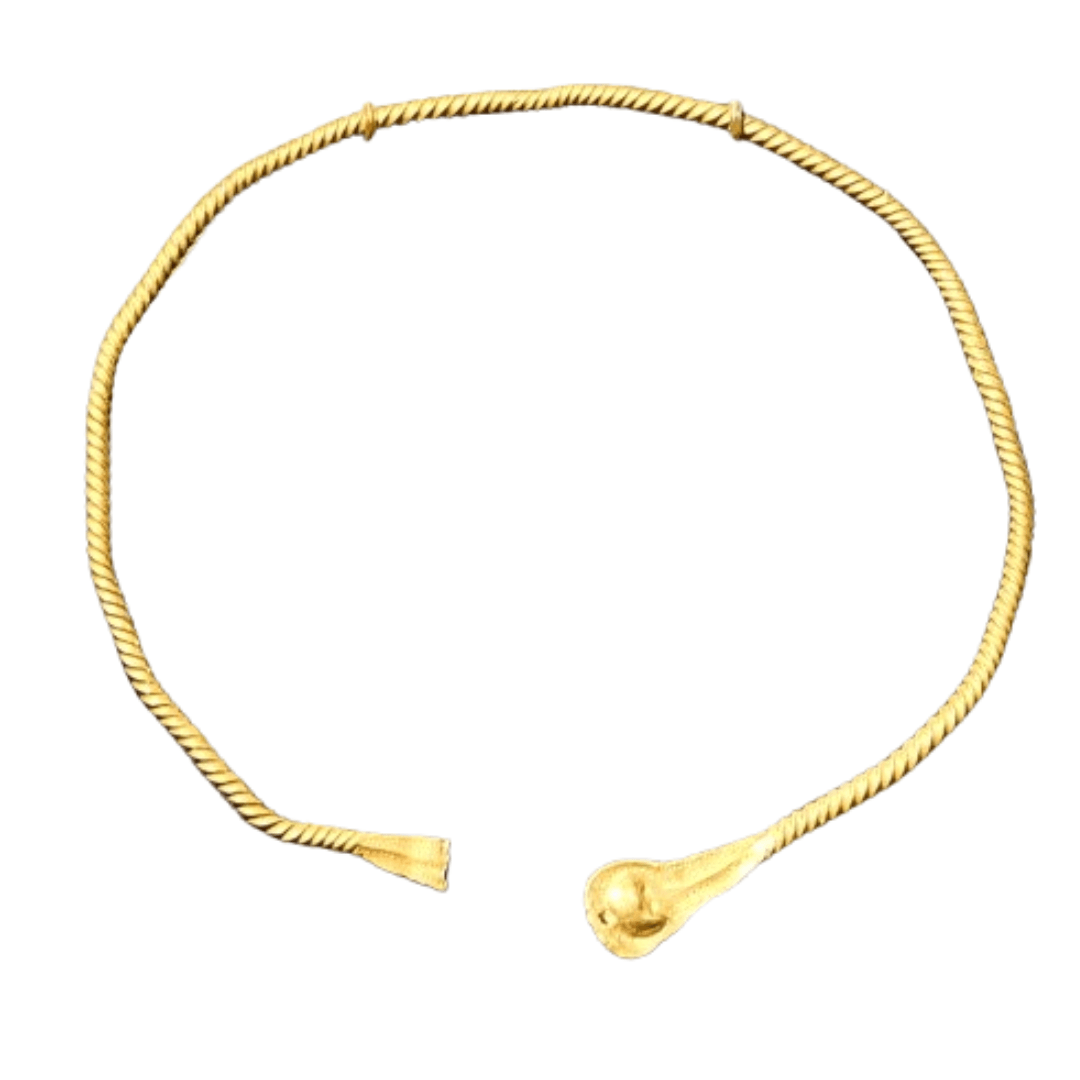
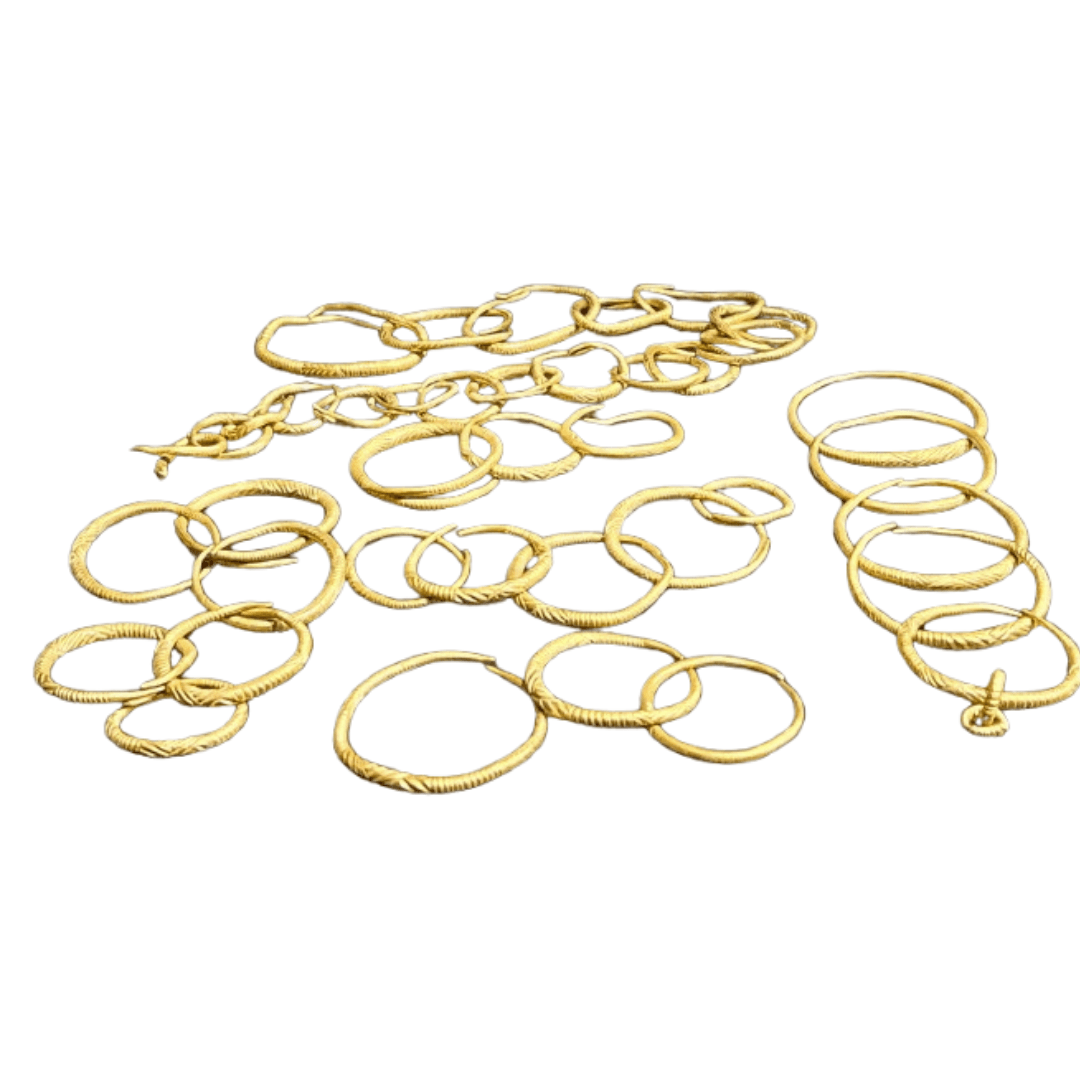
Many gold rings from the early Iron Age (1200–550 BC) have been discovered, varying in size and weight but consistently sharing the same distinctive decoration and shape.
These rings are crafted from gold bars that are bent into a circular form, with the ends left slightly open and tapering.
There has been some debate over the purpose of these rings. They don’t appear to have been used as personal jewelry. One theory suggests that these gold rings functioned as a form of payment or exchange, with their weight indicating their value. However, given the variations in weight and shape, it would have been impossible to assign an exact value to each ring, making this hypothesis less likely.
Another theory posits that the rings, often found strung together on a chain, may have been valued collectively. By adding or removing rings from the chain, the total weight could be adjusted to reflect the desired value.
Decorated Disks Made from Dacia’s Gold
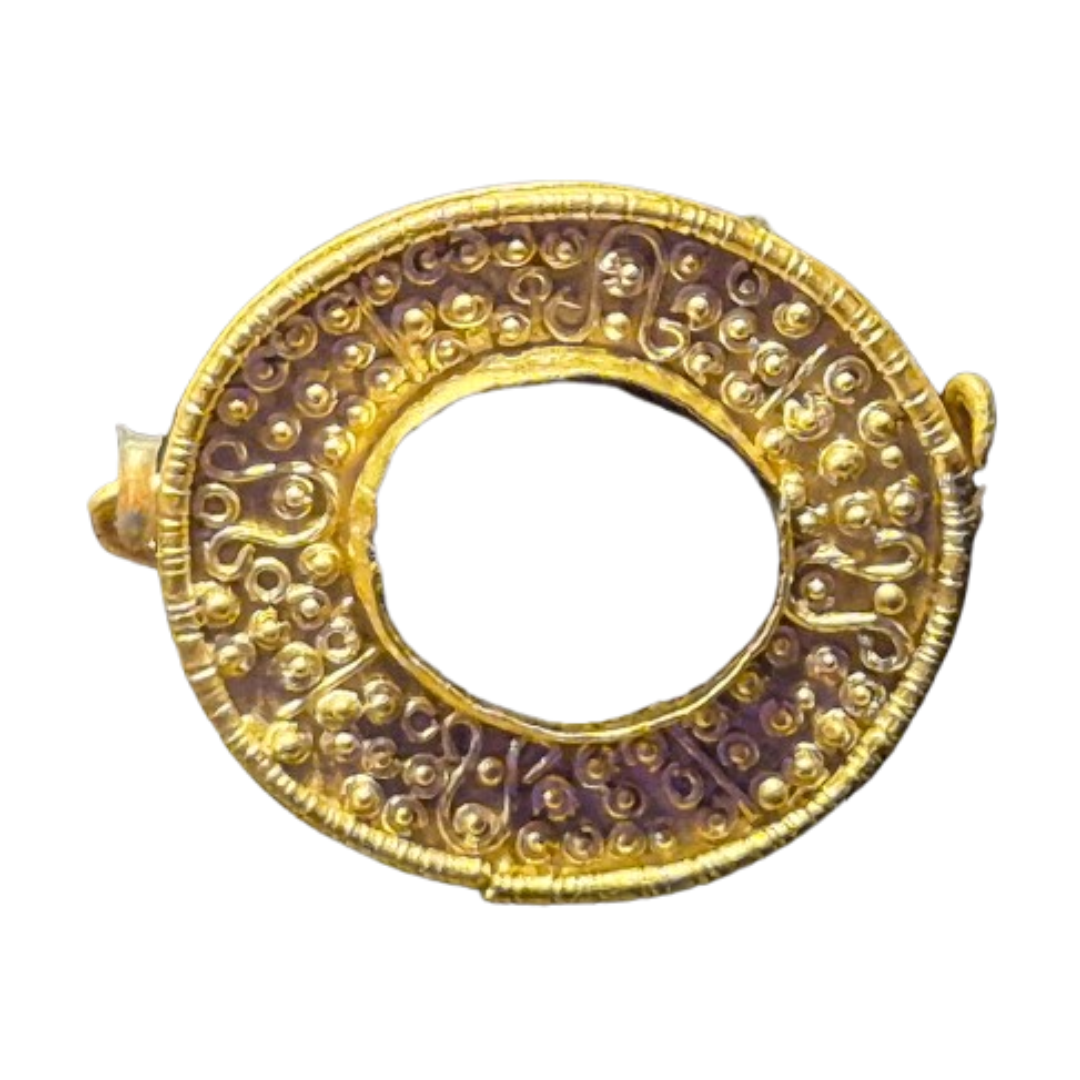
During the Middle and Late Bronze Age, decorated gold disks were also in use. These disks were dome-shaped and featured holes on either side, through which wire could be threaded to attach the disk to clothing or a headdress.
While the size and decoration of the disks varied, a common feature was the central decoration at the tip of the dome, often consisting of circles and dots applied using the repoussé technique.
In repoussé, the metal is worked from the back using hammers and punches to create the design. When the metalworker flips the piece over to continue adding details to the front, this process is referred to as “floating.” Both repoussé and floating are techniques used interchangeably to describe this method of metalworking.

Gold Bracelets from Dacia
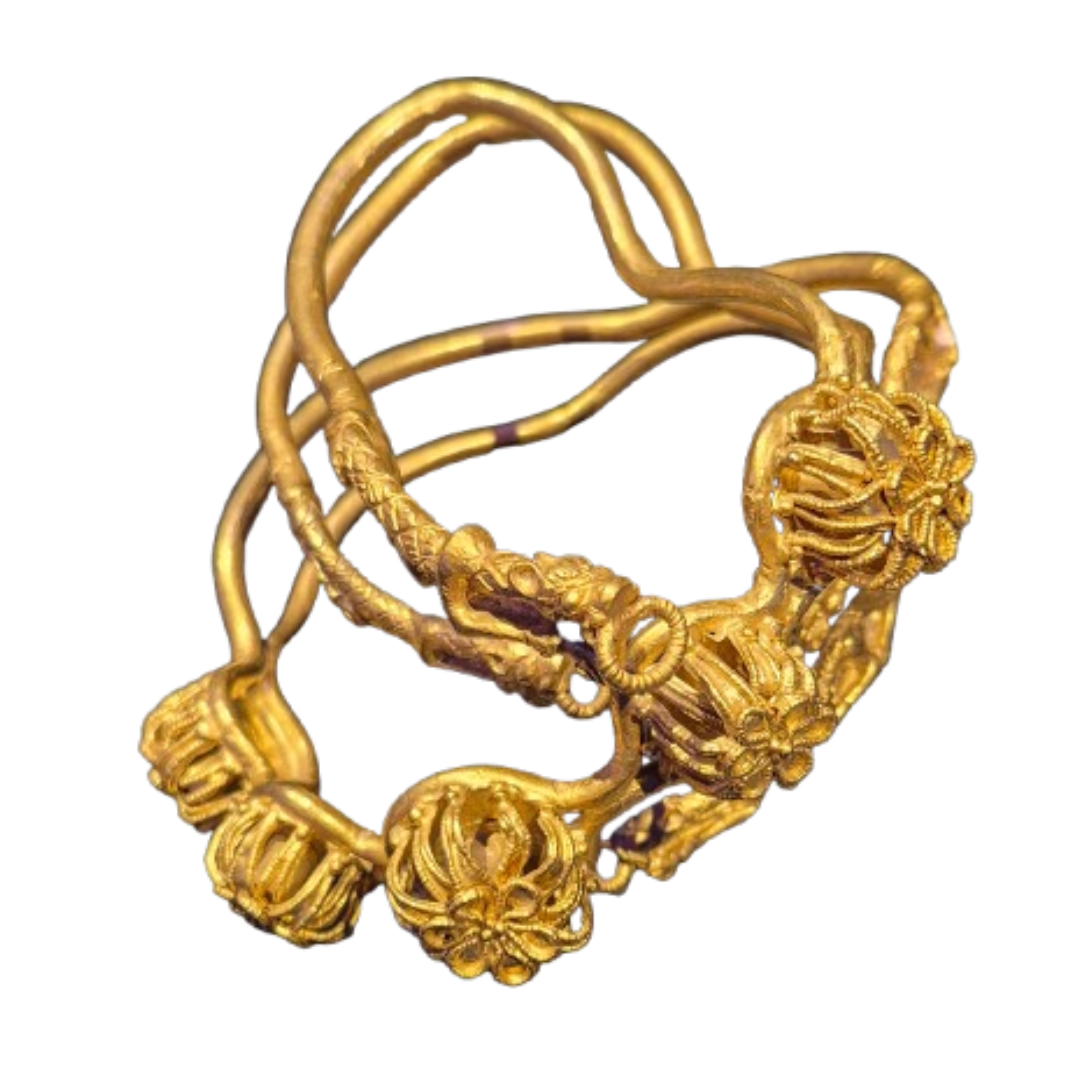
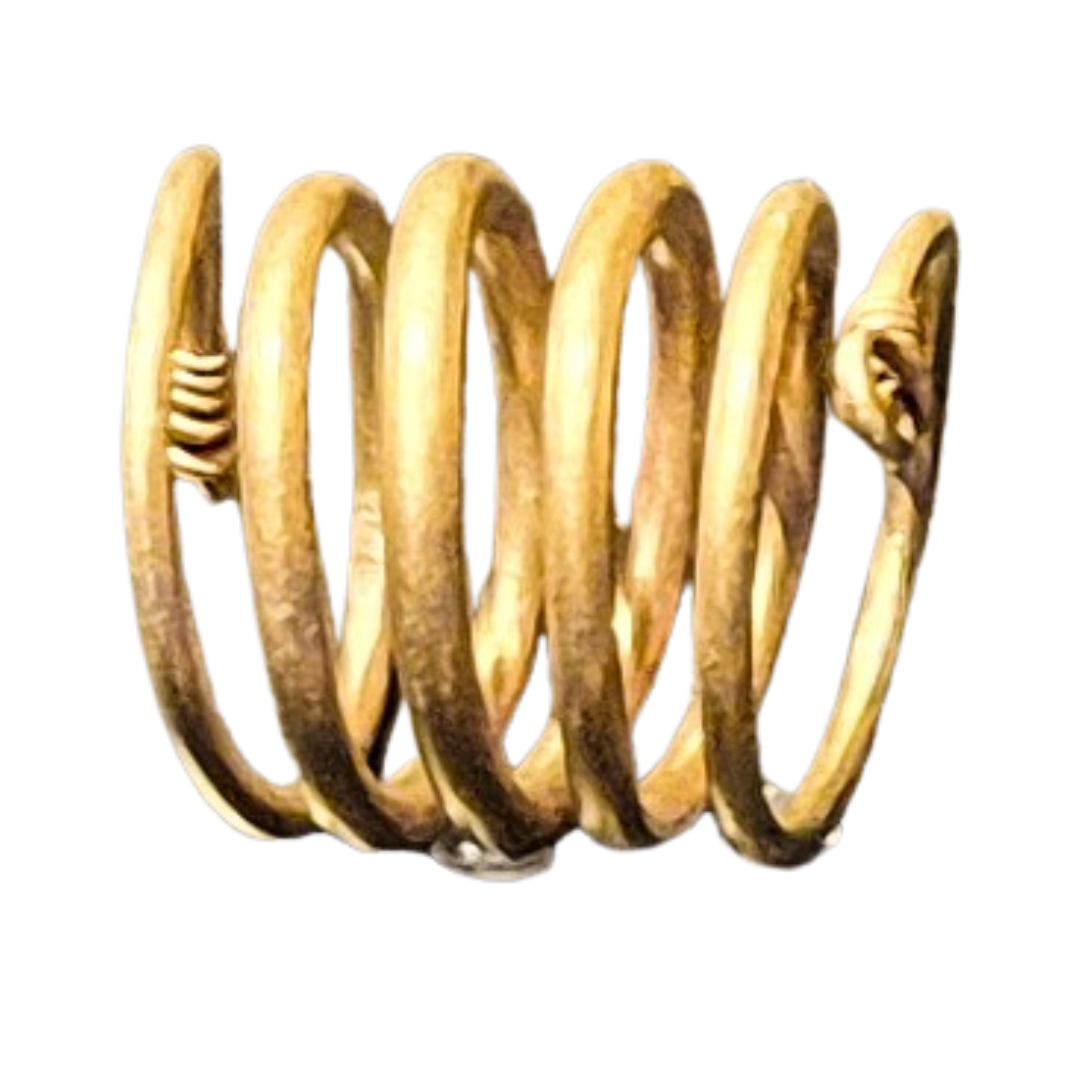
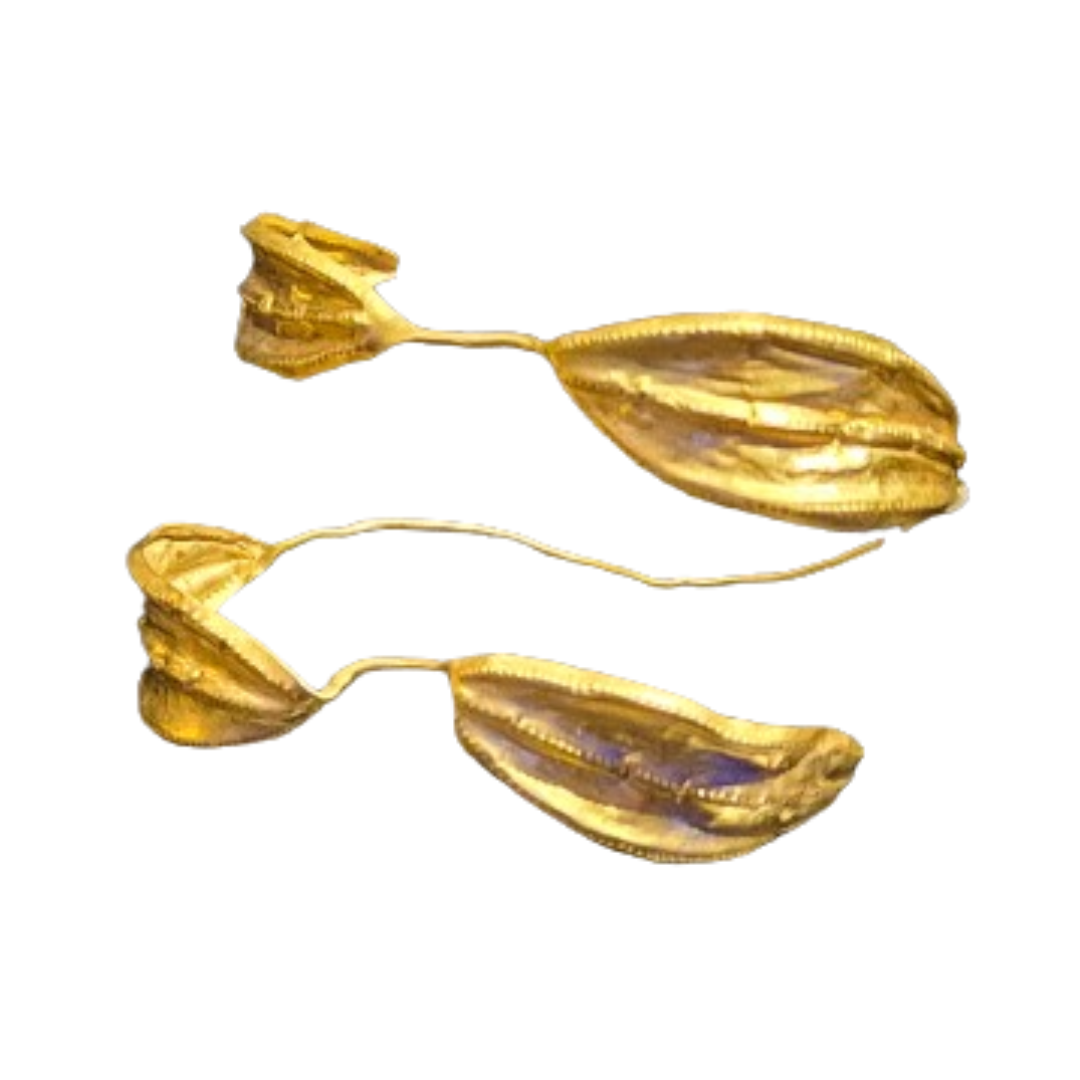
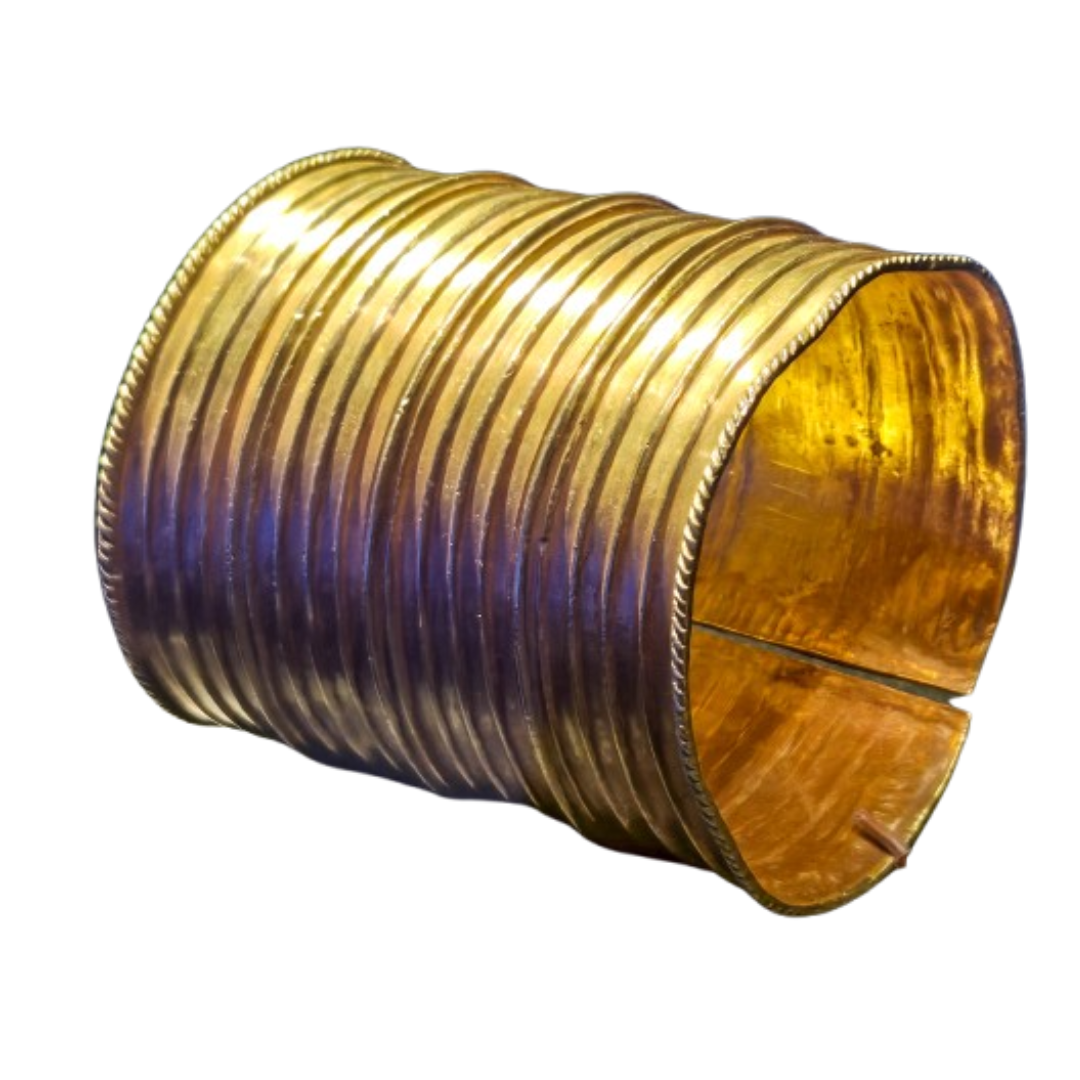
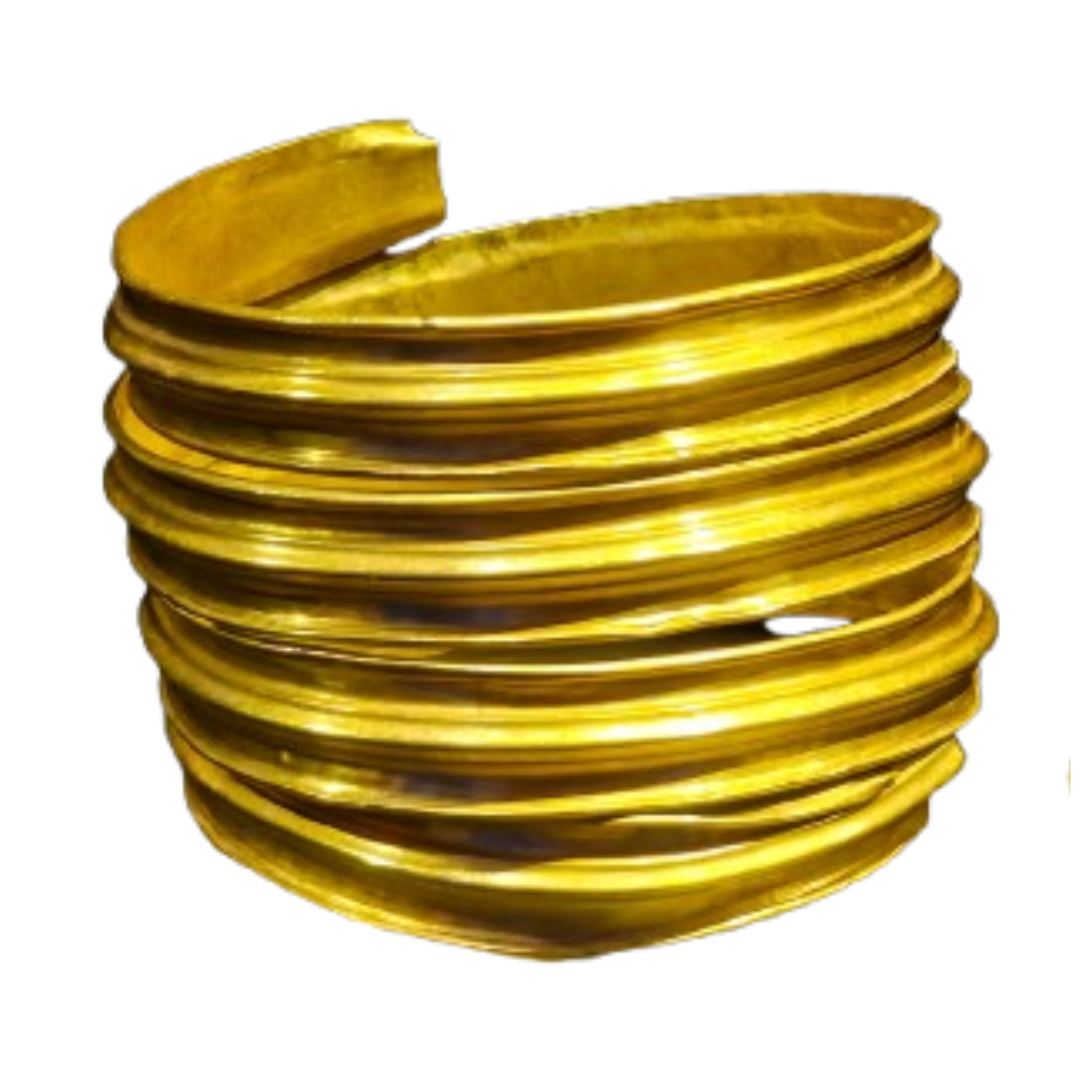
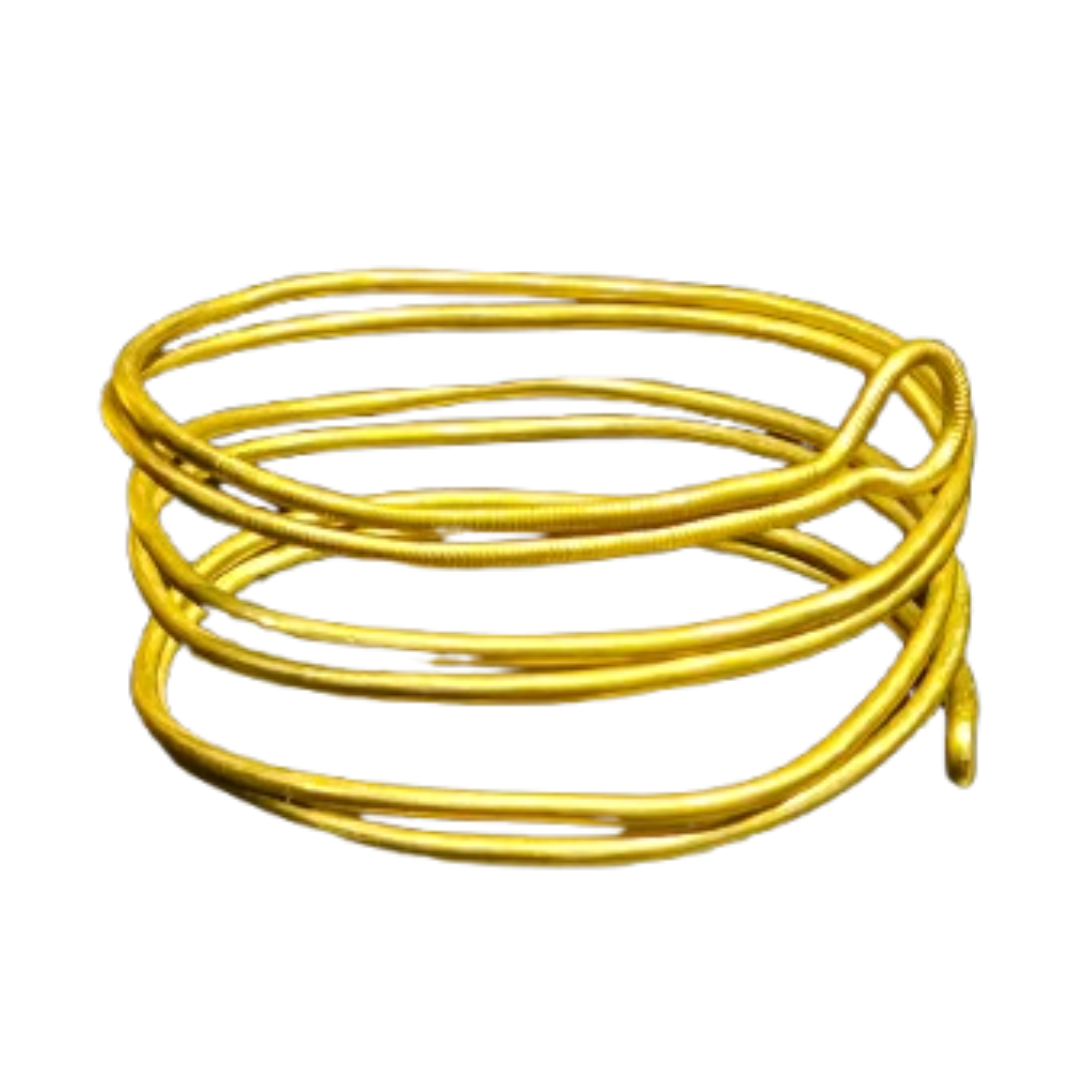
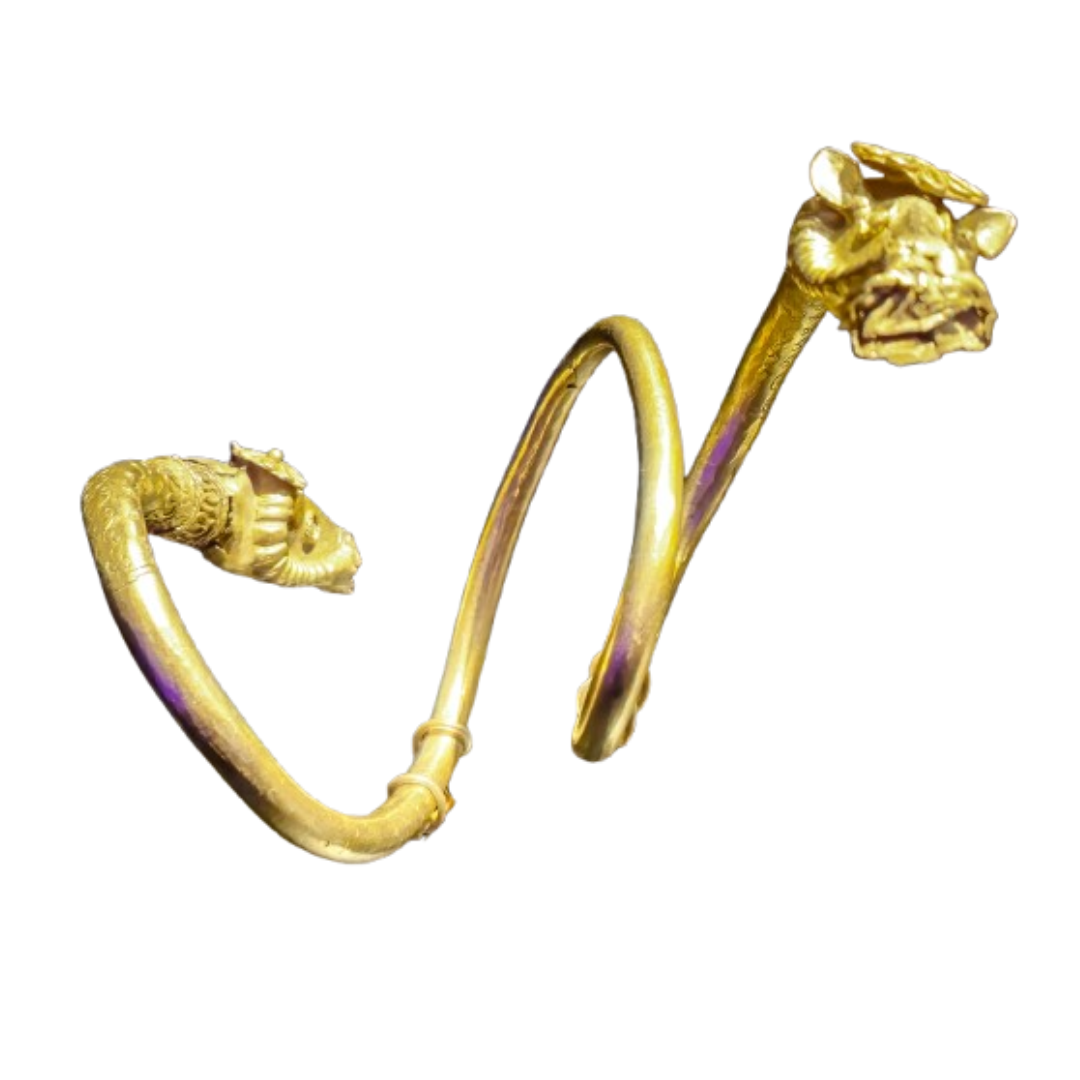
Gold bracelets from Dacia served a variety of purposes: they were worn as jewelry, used as a means of exchange or currency, symbolized social status, and offered as tributes. While many different styles of bracelets have been discovered, the most striking examples from the late Bronze Age and early Iron Age are the large, ornate pieces. These bracelets often ended in massive spiral motifs, resembling roses, at the tips of the bands.
Another common style featured a gold band that tapered to a bullhorn motif at each end.
By the 5th century BC, Greek influence in Dacia had grown significantly, and this influence extended to Dacian jewelry. Bracelets from this period were often adorned with flowing, curved lines and motifs inspired by plants and flowers, mirroring the popular designs in Greece at the time.
However, it is important to note that the traditional Dacian bracelet style, characterized by large spirals at the ends, continued to be popular despite the Greek influence.
Over time, the size of Dacian bracelets increased. Some of the bracelets discovered are remarkably large and heavy, suggesting they were not worn but rather intended as offerings or grave goods.
Between the 2nd century BC and the 1st century AD, Roman influence on Dacian jewelry became increasingly pronounced. Eventually, the Romans conquered Dacia, seizing both its territory and its gold.
The “Classic Dacian” bracelet style, which emerged during this time, featured multiple spirals or rings, often with stylized animal heads at the ends and decorated with palm leaf motifs, blending traditional Dacian elements with Roman influences.


Conclusion
Present-day Romania was once home to the Dacians, a remarkable and wealthy people whose legacy has largely been forgotten. The seemingly inexhaustible supply of Dacia’s gold contributed to their advanced metalworking skills, high standard of living, and the creation of stunning gold jewelry.
Dacia‘s silver and gold were easily accessible, found in rivers and relatively shallow mines, making the region an attractive trading hub for neighboring peoples. Initially, the Dacians traded these precious metals with surrounding cultures. However, by the 1st century AD, the Roman Empire could no longer resist the allure of Dacia’s wealth and conquered the region, seizing its vast gold reserves.
Research has revealed that large quantities of gold ducats, traded with neighboring peoples, also made their way into Dacia. These ducats were often melted down and transformed into exquisite jewelry. The decorations and symbols applied to the jewelry reflect the influence of the diverse cultures with whom the Dacians had contact through trade.
In the Late Bronze Age (2100–850 BC), Dacian jewelry was characterized by numerous spiral shapes, especially on bracelets, which may have symbolized the sun cult. During the Early Iron Age (850–450 BC), jewelry began to feature more animal motifs, particularly those of bulls and horses, influenced by surrounding cultures. By the Late Iron Age (450 BC–106 AD), the imagery shifted to snakes and wolves, reflecting evolving cultural and symbolic significance.
Many of the gold jewelry pieces discovered were likely never worn. Too large and heavy to serve as everyday adornments, these items were likely offerings or grave goods. The value of the jewelry was not in its wearability but in the weight of the gold and the beauty of the craftsmanship. It was common for gold grave gifts to be intentionally crumpled or broken before being placed in the tombs of the deceased.
Over time, the function of Dacia’s gold jewelry evolved from being a grave offering to becoming a display of wealth and status—an evolution that I can certainly appreciate!
Dacia was not only renowned for its gold but also for its abundance of silver. Both metals served as the perfect foundation for creating beautiful jewelry. But which precious metal suits you best? To help you find the jewelry that enhances your unique features, FlorenceJewelshop has developed a free PDF guide with tips on selecting jewelry that flatters your face and figure. Simply fill out the form to receive your copy.

"*" indicates required fields
Florence from FlorenceJewelshop