
 NL
NL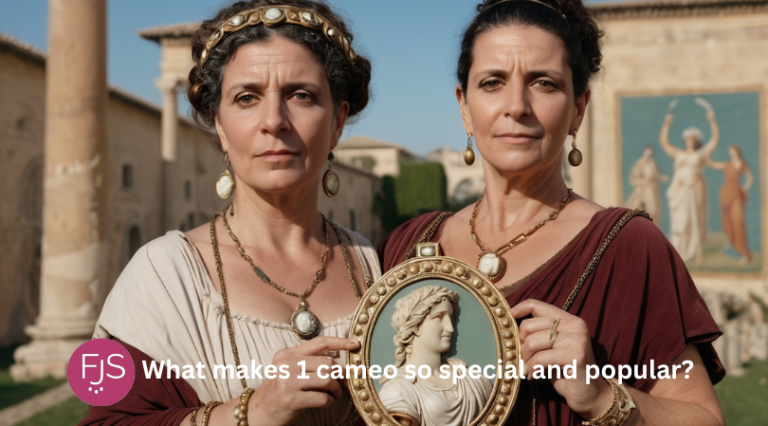
Many women own a brooch, pendant, or ring with an intricately carved portrait. Often, it’s something passed down through generations, a piece that holds both mystery and memory. For years, it may have rested quietly in a jewelry box, waiting to be rediscovered. And now, it seems its moment has come again. The charm of carved jewelry, especially the beloved cameo, has never truly faded.
A cameo is more than decoration. It’s a small window into the past, created by carefully carving an image in relief so that it stands out against its background. Traditionally, the design shows a profile of a woman, a mythological figure, or a romantic scene. The artist delicately removes the surrounding material until the image emerges, floating above the base layer like a dream captured in stone.
But carving isn’t limited to these portrait pieces. Throughout history, artisans have created countless forms of carved gemstone jewelry, beads, geometric engravings, floral patterns, and miniature sculptures. Each piece carries a sense of craftsmanship that connects the present to centuries of artistry.


The Ancient Art of Carved Gemstone Jewelry
From the earliest times, people were fascinated by the beauty of natural stones. Long before the concept of fine jewelry existed, humans picked up pebbles from riverbeds, polished them with sand, and strung them together as amulets. What began as adornment for daily life gradually turned into a sophisticated art form.
As societies developed and artists could dedicate themselves to craftsmanship, carving stones became an expression of both skill and spirit. In ancient civilizations, carved jewelry often held spiritual meaning. Gemstones decorated weapons, ceremonial tools, and the bodies of kings and queens.
When I think of carved gemstone jewelry, I always picture the extraordinary artisans of ancient China. These masters were among the first to carve gemstones into wearable works of art. Using nephrite and jadeite, both materials that symbolized purity and strength, they created ornaments, pendants, and even monumental sculptures. Their technique was meticulous: every cut, every curve was a meditation in precision.
During a trip to China some years ago, I had a small adventure that brought this history to life. I was exploring a gemstone shop in a side street, drawn by the glimmering colors of beads and pendants. When it came time to pay, the shopkeeper explained that he accepted only cash. I only had large bills, and he didn’t have enough change.
After a moment’s thought, he reached under the counter and pulled out two beautifully carved pendants made of nephrite. “Family pieces,” he told me with a smile that might have held a story. Whether that was true or not, the pendants were exquisite, and I accepted them as change. One of them became the centerpiece of a necklace I still treasure, a perfect example of how carved gemstone jewelry carries both beauty and memory.


The Techniques Behind the Magic
Carving gemstones isn’t a simple task. Early jewelers discovered that while some stones were too hard to shape, others were just soft enough to allow detailed engraving. Stones like agate, carnelian, and chalcedony became favorites because they could be polished to a fine sheen yet still yield to careful carving.
The craft evolved through experimentation. Gem cutters learned to play with light, creating textures and layers that brought their designs to life. Over time, the practice expanded to include cabochon cutting, a rounded, polished style that highlights color rather than sparkle, and even more complex techniques that combined carving with faceting.
By the 20th century, innovation led to what was called “fantasy cutting,” pioneered by artists like the German gem cutter Bernd Munsteiner. His creations blurred the line between jewelry and sculpture, with gemstones carved into geometric landscapes and abstract shapes that seemed to capture light itself.
Materials of Meaning
Not all carved jewelry relies solely on gemstones. Shell, ivory, coral, bone, and even bamboo have served as media for centuries. Each material tells a different story. A shell may echo the rhythm of the sea, while ivory captures warmth and texture.
When working with agate or onyx, the artist must first understand how the natural layers of color within the stone can enhance the design. In skilled hands, those layers become part of the portrait, giving depth and contrast to the figure. It’s this technique that gave rise to one of jewelry’s most enduring forms, the cameo.
-
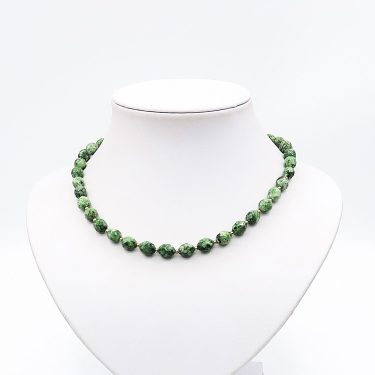
 green jade necklace€ 50.00

The Story of the Cameo
The cameo has been cherished since antiquity. The earliest known examples date back to the 3rd century BC, when Greek artisans began carving small portraits and mythological scenes into layered gemstones. Over time, the practice spread to Rome, where these intricate carvings adorned rings, pendants, and decorative objects.
Each piece was unique, often commissioned to honor a loved one or celebrate a triumph. Emperors and noblewomen alike wore them proudly. The Roman Emperor Augustus, for instance, was known to favor them, and some of the most famous examples, like the “Gemma Augustea” and the “Gemma Claudia”, still survive as masterpieces of ancient craftsmanship.
The charm of these carvings lies in their subtle interplay of color. Genuine cameos are typically made from layered materials such as agate, onyx, or shell, allowing the raised image and its background to appear in contrasting hues. This delicate color contrast gives each carving a lifelike quality, as if the figure could step right out of the stone.


The Materials Behind the Magic
The most prized cameos are carved from natural gemstones, agate being the favorite because of its layered structure. Onyx and carnelian are also popular choices. These hard stones allow for precise details and ensure the image will endure for centuries.
Shell versions, which became especially popular during the Renaissance and again in the 19th century, offer a softer, more romantic look. Their creamy tones and subtle color transitions make them ideal for portraits. Some shells even contain three layers of color, allowing the artist to create a three-dimensional effect.
Occasionally, coral or lava stone is used. Coral, known for its vivid pinkish-red hue, was believed to protect against evil. Lava carvings, often mistaken for volcanic rock, are typically made from calcite found near Mount Vesuvius in Italy.
Of course, the market also offers modern interpretations made of glass, resin, or plastic. While these are more affordable and often machine-made, the charm of a genuine hand-carved piece is unmistakable.


How to Recognize Authentic Carvings
Telling the difference between a genuine cameo and a reproduction can be tricky, but there are clues. Authentic pieces made from shell, gemstone, or coral will show fine tool marks under magnification. If you hold a shell version to the light, you’ll often see a translucent glow, and the outline of the portrait may appear in shadow.
Genuine frames are typically made of gold or silver, often hallmarked, though older pieces might lack official marks. Be cautious, though, some antique cameos predate modern hallmarking standards.
Plastic versions tend to feel warm to the touch and lack the crispness of carved detail. Their colors can appear flat or too uniform. If your piece has depth, subtle shading, and visible layers, you may have something truly special.
From Ancient Greece to the Silver Screen
Carved portraits have journeyed through countless ages and styles. After their classical beginnings, they experienced revivals during the Renaissance, the 18th century, and the Victorian era. Napoleon Bonaparte adored them, as did Queen Victoria, who helped bring them into high fashion once more.
By the 19th century, women across Europe wore cameos pinned to lace collars or set in ornate brooches. The craftsmanship varied; some were exquisite works of art, while others were mass-produced souvenirs for travelers on the Grand Tour.
Their allure didn’t fade in the 20th century either. The soft elegance of carved profiles appeared on film stars of the golden age, Greta Garbo and Joan Crawford among them, adding vintage glamour to modern beauty.


Modern Revival
Today, the tradition continues. Skilled artisans still carve layered gemstones and shells, though modern tools allow for greater precision. Many designers experiment with color, using dyed agates or even laser techniques to highlight details.
While some prefer the pristine look of a brand-new carving, others find beauty in the patina of history. Vintage and antique cameos, with their faint scratches and softened edges, tell stories that no new piece can match.
Contemporary jewelers also reinterpret the concept in bold ways, carving abstract patterns or modern silhouettes into quartz, jade, or even recycled materials. The essence remains the same: every piece is a tribute to the union of patience, creativity, and nature’s raw beauty.


Bone Carving: A Story from the Desert
Many years ago, while finishing my history studies in Egypt, I traveled south to visit the temples of Abu Simbel. At that time, public transport was limited, so we rented a 4×4 and crossed the desert. One evening, we camped near a nomadic tribe for safety.
They welcomed us with warmth, the legendary hospitality of the desert. As we shared tea around the fire, one of the camel herders showed me how he used every part of his animals. The hides became tents, the meat sustained the family, and the bones… well, those he carved into beads.
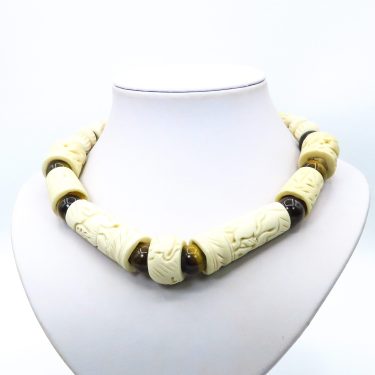
With a small handmade knife, he transformed a piece of bone into a delicate ornament, smooth and shining in the firelight. I was mesmerized. At that moment, I wasn’t yet a jewelry maker, but I was born into a family of jewelers, and I felt that familiar spark of fascination. Of course, I couldn’t resist, I bought a handful of those carved beads. Years later, they became a necklace, a memory strung together with skill and sand.
That experience reminded me that carved jewelry isn’t just about adornment. It’s about storytelling, the transformation of natural material into something that holds human touch and emotion.
Caring for Carved Jewelry
Like any delicate treasure, carved pieces need gentle care. Keep them away from direct sunlight, which can fade shells and soften certain stones. A soft cloth and mild soap are usually enough to clean them. Avoid harsh chemicals, and store them separately to prevent scratches.
Gemstones like agate or carnelian are durable, but shells and coral require a little more attention. If properly treated, these jewels can last for generations, just as they already have.


Why We Still Love Them
Perhaps the reason carved jewelry never truly disappears is that it connects us to something deeper. Each carving is a blend of human creativity and natural wonder. Whether it’s an ancient Greek portrait, a Victorian keepsake, or a contemporary piece made in recycled shell, it speaks of patience, precision, and passion.
Owning one is like holding a fragment of history. Wearing it brings that story into the present. It’s not just a fashion statement; it’s an inheritance of art.
If you have a carved pendant tucked away somewhere, perhaps it’s time to take it out again. Let it catch the light, let it tell its story once more.
And if you don’t yet own one, maybe it’s time to start your own tradition. After all, some pieces don’t just decorate us; they remind us who we are.
-
white bone gem necklace€ 112.00
-
Product on saletiger eye stone bracelet (1 available)Original price was: € 81.25.€ 50.00Current price is: € 50.00.


Let us face it. Cameos and carved jewelry are tremendous pieces of art. It takes a lot of craftsmanship to make a cameo or carve a gemstone. That they are popular again does not mean you need to like them, or maybe you are not a type for wearing cameos or carved jewelry.
But do you know what kind of jewelry looks good on you? Do you know what jewelry accentuates your best features? What jewelry makes you look taller, or even shorter? A lot of questions, but where are the answers?
Well, no worries. All, or nearly all, the answers about what kind of jewelry accentuates your best features are in a little but practical PDF, especially made for you. It is free of charge. Just let me know where I can send it.

"*" indicates required fields
Florence from FlorenceJewelshop